
 ultimate-guide
Cabinet Refinishing Services for Kitchens: A 2026 Guide
Table of Contents
- What Is Cabinet Refinishing?
- Cabinet Refinishing vs. Refacing vs. Replacing
- Cost to Refinish Kitchen Cabinets
- The Cabinet Refinishing Process Step-by-Step
- How Long Does Cabinet Refinishing Take?
- Benefits of Cabinet Refinishing for Your Kitchen
- Material Compatibility and Durability Considerations
- DIY vs. Professional Cabinet Refinishing: What You Need to Know
- Frequently Asked Questions
Last Updated: September 28, 2026
What Is Cabinet Refinishing?
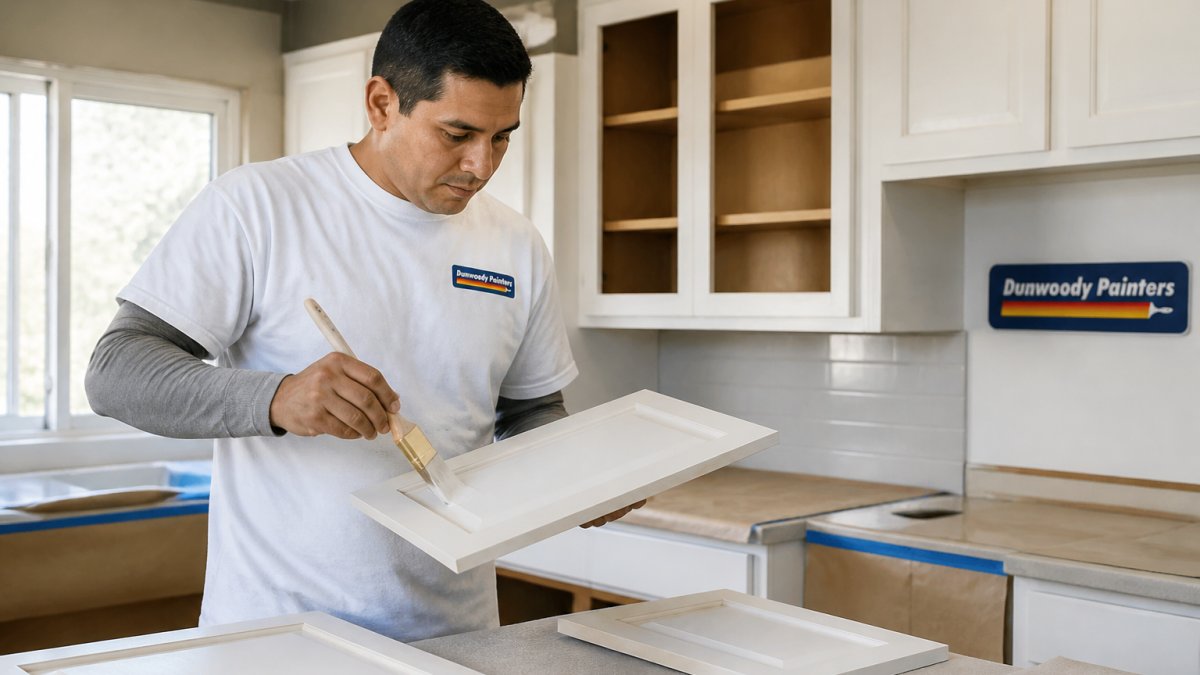
Cabinet refinishing services for kitchens restore appearance and durability by sanding, priming, and applying new protective finish to existing cabinetry. Rather than replacing cabinets, refinishing removes the old finish and applies fresh paint, stain, or lacquer, transforming worn surfaces into newly installed-looking cabinetry at a fraction of replacement cost.
Cabinet refinishing differs from simple painting, it demands professional-grade surface preparation, material selection, and application techniques that ensure durability for years. When done correctly, refinished cabinets look indistinguishable from new cabinetry at a fraction of replacement cost.
Cabinet refinishing addresses the root cause of deterioration: a compromised protective topcoat. Kitchen cabinets exposed to moisture, temperature changes, and daily wear develop stains, warping, or discoloration. Removing the damaged finish and applying a durable new one restores both appearance and functionality.
Cabinet Refinishing vs. Refacing vs. Replacing
Cabinet refinishing involves sanding the existing finish and applying new paint, stain, or lacquer while keeping the original structure intact. This works when cabinet boxes are solid but the finish has deteriorated.
Cabinet refacing replaces visible surfaces while keeping cabinet boxes, including new doors, drawer fronts, hardware, and veneer. It allows more dramatic style and color changes than refinishing but costs more.
Cabinet replacement removes existing cabinetry and installs new units, the most expensive option, necessary only for damaged boxes, layout changes, or custom configurations.
Cost to Refinish Kitchen Cabinets
Cost varies based on kitchen size, cabinet condition, finish type, and professional vs. DIY work. Key cost factors include:
Kitchen size. Larger kitchens with more linear feet cost more, a galley kitchen with 15 linear feet costs substantially less than a large open kitchen with 40+ linear feet.
Cabinet condition. Good structural condition requires less labor than heavily damaged surfaces needing extensive repair or wood filler.
Finish selection. Paint costs less than stained finishes with polyurethane, which cost less than professional lacquer or conversion varnish.
Professional vs. DIY. Professional work includes labor, equipment, and warranty. DIY saves labor costs but requires equipment rental, significant time, and risks substandard results.
For accurate pricing, request a detailed estimate from a professional cabinet refinishing service. Dunwoody Painters provides free estimates breaking down material costs, labor, timeline, and warranty coverage.
| Factor | Impact on Cost | Consideration |
|---|---|---|
| Kitchen size | Larger kitchens cost more | Measure linear feet of cabinetry |
| Cabinet condition | Damage increases labor | Assess water stains, warping, or repairs needed |
| Finish type | Lacquer/stain costs more than paint | Choose based on durability and aesthetics |
| Professional labor | Adds significant cost but ensures quality | Professional finishes typically outlast DIY attempts |
| Timeline urgency | Rush projects cost more | Standard timelines are more economical |
The Cabinet Refinishing Process Step-by-Step
Cabinet refinishing services for kitchens follow structured methodology that separates amateur from professional results. Finish longevity depends on how thoroughly each step is executed.
Surface Preparation and Sanding
Surface preparation is where most DIY projects fail. Proper preparation determines finish adhesion and durability.
Cabinet removal and hardware takedown. All doors, drawers, and hardware are removed. Hinges, knobs, and handles are refinished or replaced, ensuring every surface receives proper finishing.
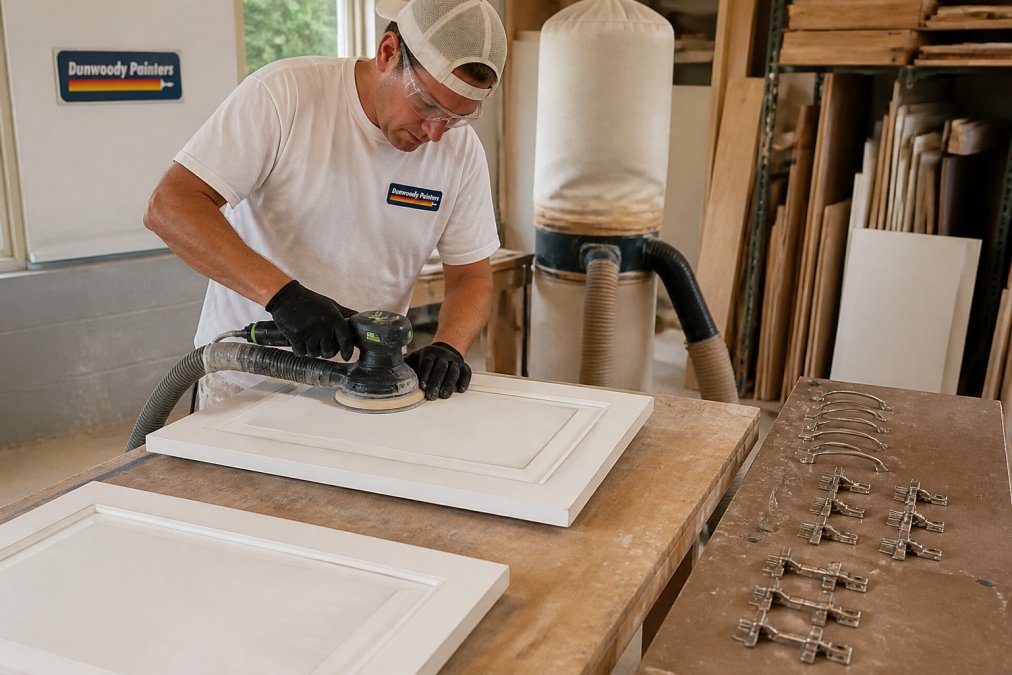
Thorough sanding and surface inspection. Existing finish is sanded using progressively finer grits (80-120 to 150-180), removing the old topcoat and opening wood grain. Water stains and damage are filled with wood filler and sanded smooth.
Cleaning and dust removal. Dust is removed completely using tack cloths and vacuums. Remaining dust interferes with adhesion and creates rough spots. Professional crews use HEPA-filtered dust collection systems.
Stain blocking. Stain blocker is applied to prevent water stains or discoloration from bleeding through the new finish.
Priming and Finish Selection
Priming creates a uniform base, sealing wood, providing adhesion, and ensuring uniform color coverage.
Primer application. Cabinet-specific primer is applied in thin, even coats.
- Cabinet paint: Water-based or oil-based acrylic paints provide good color selection and moderate durability. They're easier to apply than other finishes but may require more frequent touch-ups.
- Lacquer: A professional-grade finish that dries quickly and provides a durable, smooth surface. Lacquer requires spray application and proper ventilation but delivers superior durability and appearance.
- Polyurethane or conversion varnish: These finishes offer excellent durability and water resistance, making them ideal for kitchen cabinets exposed to moisture and heat.
How Long Does Cabinet Refinishing Take?
Cabinet refinishing typically spans two to four weeks, depending on kitchen size, cabinet condition, and finish type.
Project timeline breakdown:
- Preparation and removal: 1-2 days
- Sanding and repair: 3-5 days
- Priming: 2-3 days
- Topcoat application: 3-7 days
- Hardware installation: 1-2 days
Benefits of Cabinet Refinishing for Your Kitchen
Cabinet refinishing offers multiple advantages beyond simply refreshing appearance. Understanding these benefits helps explain why many homeowners choose refinishing over replacement.
Material Compatibility and Durability Considerations
Not all cabinet materials respond equally to refinishing. Understanding your cabinet construction determines whether refinishing will deliver lasting results or whether alternative approaches make more sense.
DIY vs. Professional Cabinet Refinishing: What You Need to Know
The decision between DIY cabinet refinishing and hiring professionals involves understanding the risks, equipment requirements, and realistic outcome expectations.
Common DIY challenges include:
- Inadequate surface preparation. Rushing through sanding or skipping dust removal results in rough, poorly adhering finishes.
- Uneven topcoat application. Brush marks, drips, or inconsistent coverage are visible on DIY projects, especially with lacquer or other professional-grade finishes.
- Finish durability issues. Without proper priming, multiple coats, or appropriate topcoat selection, DIY finishes chip, peel, or wear quickly.
- Equipment limitations. Consumer-grade sanders and spray equipment don't match professional-quality results.
- Timeline underestimation. Most DIYers underestimate how long cabinet refinishing actually takes, leading to rushed final steps.
Professional advantages include:
- Superior surface preparation. Professional dust collection, proper sanding sequences, and stain blocking prevent common DIY failures.
- Quality topcoat application. Professional spray equipment, technique, and multiple coats create smooth, durable finishes.
- Warranty protection. Professional work typically includes a warranty guaranteeing the finish against peeling, chipping, or adhesion failure.
- Faster completion. Professional crews complete projects in the timeline promised, not extended timelines that disrupt your kitchen for months.
- Peace of mind. When a professional handles your cabinets, you have recourse if results disappoint.
Frequently Asked Questions
What's the difference between cabinet refinishing and refacing?
Cabinet refinishing refreshes existing cabinet boxes and doors through sanding, priming, and applying a new topcoat finish. Refacing replaces cabinet doors and drawer fronts while keeping the original boxes, often adding veneer or new hardware. Refinishing is less invasive and typically costs less, while refacing offers more aesthetic flexibility. Your choice depends on your cabinet's structural condition and your budget.
How much does it cost to refinish kitchen cabinets?
The cost to refinish kitchen cabinets varies based on kitchen size, cabinet condition, finish type, and local labor rates. Factors include surface preparation complexity, whether hardware needs replacement, and the durability grade of topcoat selected. For an accurate estimate tailored to your specific kitchen, contact a local professional who can assess your cabinets in person and provide a detailed, line-by-line quote.
How long does professional cabinet refinishing take?
The timeline for cabinet refinishing projects varies depending on kitchen size and finish complexity. It includes surface preparation (sanding and priming), multiple topcoat applications with drying time between coats, and hardware reinstallation. Your contractor should provide a realistic project schedule upfront. Larger kitchens or custom finishes may extend the timeline, but professional crews work efficiently to minimize kitchen downtime.
Is cabinet refinishing worth it for resale value?
Yes, cabinet refinishing delivers strong return on investment for home resale. Updated, well-maintained cabinets significantly improve kitchen aesthetics, which is a major buyer consideration. A professional refinish with a durable topcoat and fresh hardware can make cabinets look new without the cost of full replacement. This upgrade often justifies its cost through increased home appeal and perceived kitchen quality to potential buyers.
Can all cabinet materials be refinished?
Most cabinet materials can be refinished, including solid wood, laminate, and veneer surfaces. However, laminate and veneer require careful surface preparation to ensure paint adhesion. Severely damaged or water-logged cabinets may not be good candidates. A professional assessment determines whether your specific cabinet material and condition support a quality refinish, or whether refacing or replacement is more practical.
What finish options are best for kitchen cabinets?
Durable topcoats like polyurethane and lacquer resist moisture and daily wear in kitchens. Low-VOC options reduce harmful fumes during application and drying. Semi-gloss and satin finishes provide durability while hiding fingerprints better than high-gloss. Your choice depends on your kitchen's use intensity, aesthetic preference, and environmental concerns. A professional can recommend finishes that balance durability, appearance, and your specific kitchen needs.
What's involved in preparing cabinets for refinishing?
Surface preparation is critical and includes removing cabinet doors and hardware, thoroughly cleaning all surfaces, sanding to remove the old finish, filling gaps or imperfections, and priming. This phase determines how well the new finish adheres and how long it lasts. Professional crews invest significant time in prep work because poor preparation leads to peeling or premature wear. Proper prep is why professional results outlast DIY attempts.