
 ultimate-guide
Commercial Painting Services for Offices: A Complete Guide
Table of Contents
- What Commercial Painting Services for Offices Include
- Understanding Commercial Painting Cost Factors
- Getting an Accurate Office Painting Estimate
- Office Painting Project Timeline and Scheduling
- Vetting Contractors: Your Commercial Painting Contractor Checklist
- Paint Selection and Indoor Air Quality for Offices
- Preparing Your Office for Painting and Minimizing Disruption
- Maintenance and Warranty After Your Commercial Painting Project
- Frequently Asked Questions
Last Updated: October 5, 2026
What Commercial Painting Services for Offices Include
Commercial painting services for offices encompass far more than slapping paint on walls. At Dunwoody Painters, we understand that office environments require precision, minimal disruption, and finishes that withstand daily wear. The scope includes interior spaces, building exteriors, specialized trim work, and protective coatings tailored to commercial properties.
Interior painting for office spaces
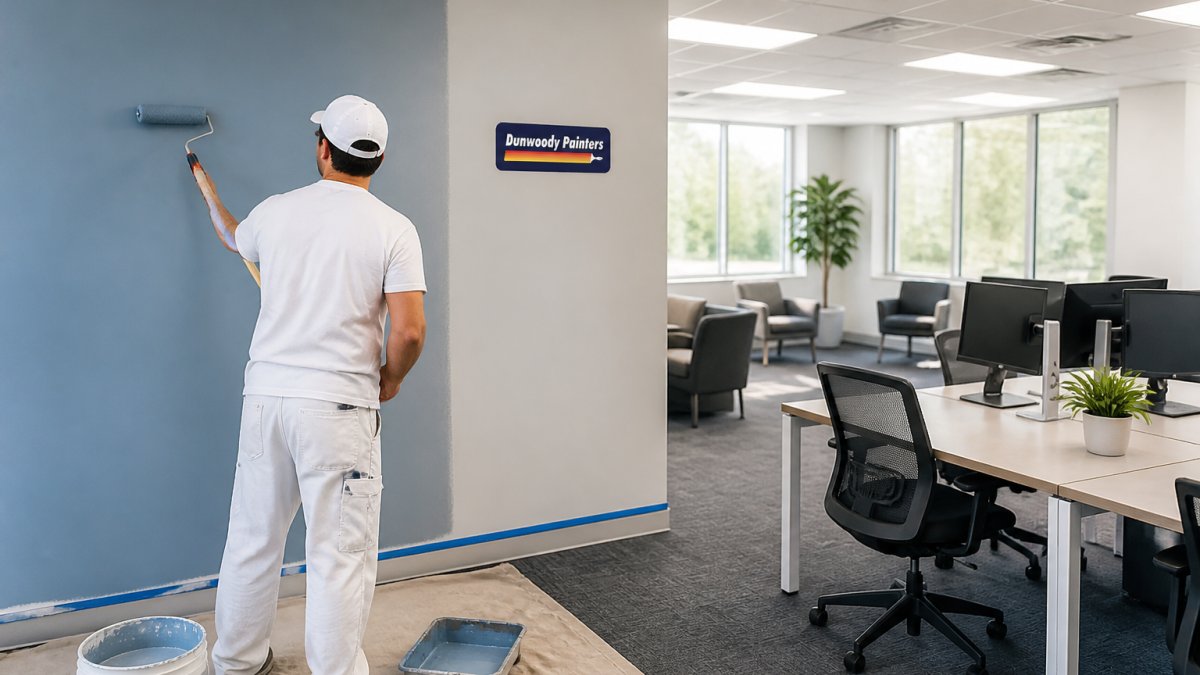
Interior office painting demands a different approach than residential work. You're managing occupied spaces where employees need to work, clients visit, and business continues.
High-traffic areas require durable, washable finishes that resist scuffs and stains. Many offices choose semi-gloss or satin finishes in common areas because they're easier to clean than flat paints.
Exterior building and parking structure work
Commercial exterior painting protects your building's structural integrity while maintaining curb appeal. This includes main building facades, trim, soffits, fascia, and parking structures.
Parking structures present unique challenges. Concrete surfaces need proper sealing and protective coatings to resist moisture, salt, and vehicle fluids. The paint must withstand temperature swings and UV exposure without peeling or fading prematurely.
Trim, doors, and specialty finishes
Trim work separates quality painting from average work. Interior trim, door frames, doors themselves, and architectural details require precision cutting and clean lines. Specialty finishes might include textured coatings, faux finishes, or protective clear coats over stained wood.
Many offices also need door refinishing, entrance doors, interior office doors, and utility doors all accumulate wear. Refinishing them can transform the space without replacing expensive hardware.
Understanding Commercial Painting Cost Factors
Estimating commercial painting costs requires understanding what drives expenses. The final price depends on multiple interconnected factors, not just square footage. A detailed estimate should break down labor, materials, and logistical costs separately so you understand where your money goes.
Square footage and surface preparation
Surface area is your starting point, but it's deceptive. A 5,000-square-foot office space doesn't automatically cost twice as much as a 2,500-square-foot one. The real cost driver is surface preparation.
Surface preparation typically includes cleaning, sanding, patching drywall, filling cracks, and priming. In occupied buildings, this work often happens outside business hours, which adds labor costs.
Material and labor cost breakdown
Your estimate should itemize materials and labor separately. Material costs cover primer, paint, sealers, and any specialty coatings. Labor costs reflect crew hours, which vary based on complexity, surface condition, and building access.
A straightforward repaint of walls in good condition costs less per square foot than painting a building with damaged surfaces, multiple colors, or intricate trim work.
Occupied building logistics and scheduling premiums
Painting an occupied office building costs more than painting an empty one. Your contractor needs to work around employee schedules, protect furniture and equipment, manage dust and fumes, and ensure minimal disruption. This complexity justifies higher labor rates.
Night and weekend work commands premium pricing because crews work outside standard hours and may need additional lighting or equipment.
Getting an Accurate Office Painting Estimate
A quality estimate is your roadmap for the project. It should be detailed enough that you understand exactly what you're paying for and specific enough that the contractor can't change scope mid-project without renegotiating.
What to request in a detailed estimate
Your estimate should include: square footage of surfaces being painted, surface preparation details (what's included and what costs extra), primer and paint specifications (brand, type, finish), number of coats, timeline, crew size, and warranty coverage.
Ask the contractor to walk you through their estimate line by line. A professional painter can explain why they're recommending a specific primer or why surface prep costs what it does.
Comparing bids from multiple contractors
Get estimates from at least three contractors. When comparing, look beyond the total price. A lower bid often means corners are being cut, fewer coats, cheaper materials, or inadequate prep work. Compare what's actually included in each estimate, not just the bottom line.
Pay attention to timeline differences too. A contractor promising faster completion might be cutting prep time or planning to use less experienced crews.
Office Painting Project Timeline and Scheduling
Most office painting projects follow a predictable sequence, but timeline varies dramatically based on building size, surface condition, and scheduling constraints.
Phases from planning to completion
The typical project flows through these phases: initial assessment and estimate (1-2 weeks), scheduling and material procurement (1-2 weeks), surface preparation (varies widely, often 1-4 weeks for commercial projects), priming (1-2 weeks), finish coats (2-3 weeks), and final inspection and cleanup (3-5 days).
Occupied buildings take longer because work often happens in phases, one floor at a time, or specific areas during off-hours. This prevents business disruption but extends the overall timeline.
Night and weekend work options
Many offices choose night and weekend painting to avoid disrupting business hours. This costs more, crews working outside standard hours require premium pay, and lighting setups add expense. However, the benefit of zero business interruption often justifies the premium.
Night work typically runs 6 PM to 6 AM, allowing offices to operate normally during the day. Weekend work concentrates painting into Saturday and Sunday.
Vetting Contractors: Your Commercial Painting Contractor Checklist
Choosing the right contractor is the most important decision you'll make. A cheap estimate from an unqualified painter will cost you far more in rework and frustration than paying fairly for quality work.
Licensing, insurance, and background checks
Every contractor should carry general liability insurance and workers' compensation coverage. Ask to see current certificates. Verify their license with your state's licensing board, this takes five minutes and confirms they're legitimate.
Background checks matter for occupied buildings where crews access sensitive areas. Dunwoody Painters conducts background checks on all crews because businesses need confidence that people in their offices are trustworthy.
Experience with occupied office buildings
Not all painting contractors have experience managing occupied buildings. An experienced commercial painting contractor understands how to protect furniture, manage dust and odors, communicate with building management, and work within operational schedules.
Ask specifically about their experience with office buildings similar in size and complexity to yours. How many occupied buildings have they painted? How do they manage employee safety and business continuity?
References and warranty coverage
Request references from recent commercial projects. Call them. Ask about timeline adherence, quality of work, how the contractor handled unexpected issues, and whether they'd hire them again. A contractor confident in their work provides references willingly.
Warranty coverage matters. A professional contractor stands behind their work with a written warranty.
Paint Selection and Indoor Air Quality for Offices
The paint you choose affects both how the space looks and how it feels to work in. Indoor air quality is a legitimate concern in occupied buildings.
Low-VOC and eco-friendly coatings
VOC stands for volatile organic compounds, chemicals that off-gas from paint after application. High-VOC paints create strong odors and can cause headaches, respiratory irritation, and other health effects (the EPA).
For occupied offices, low-VOC paint is worth the modest premium. Employees work in the space during and after painting. Choosing paints that off-gas minimally shows you care about their comfort and health.
Durability and washability for high-traffic areas
Office spaces experience constant traffic. Paint in common areas, hallways, and break rooms needs to withstand scuffs, fingerprints, and occasional cleaning. Semi-gloss and satin finishes clean more effectively than flat paints and hide marks better over time.
High-quality commercial paints designed for institutional use last longer and maintain appearance better than residential-grade paints. They're more washable, more stain-resistant, and more durable.
Preparing Your Office for Painting and Minimizing Disruption
How you prepare for painting directly affects project success and business continuity. Proper preparation prevents costly mistakes and keeps operations running smoothly.
Communication with staff and tenants
Before painting begins, communicate with everyone affected. Explain what's happening, when it's happening, and how it will impact their work. Provide advance notice of scheduling, noise, odors, and any access restrictions.
For multi-tenant buildings, coordinate with building management and all affected tenants. Ensure everyone understands the timeline and any temporary inconveniences. A contractor should handle this communication professionally or work with building management to do so.
Furniture protection and workspace management
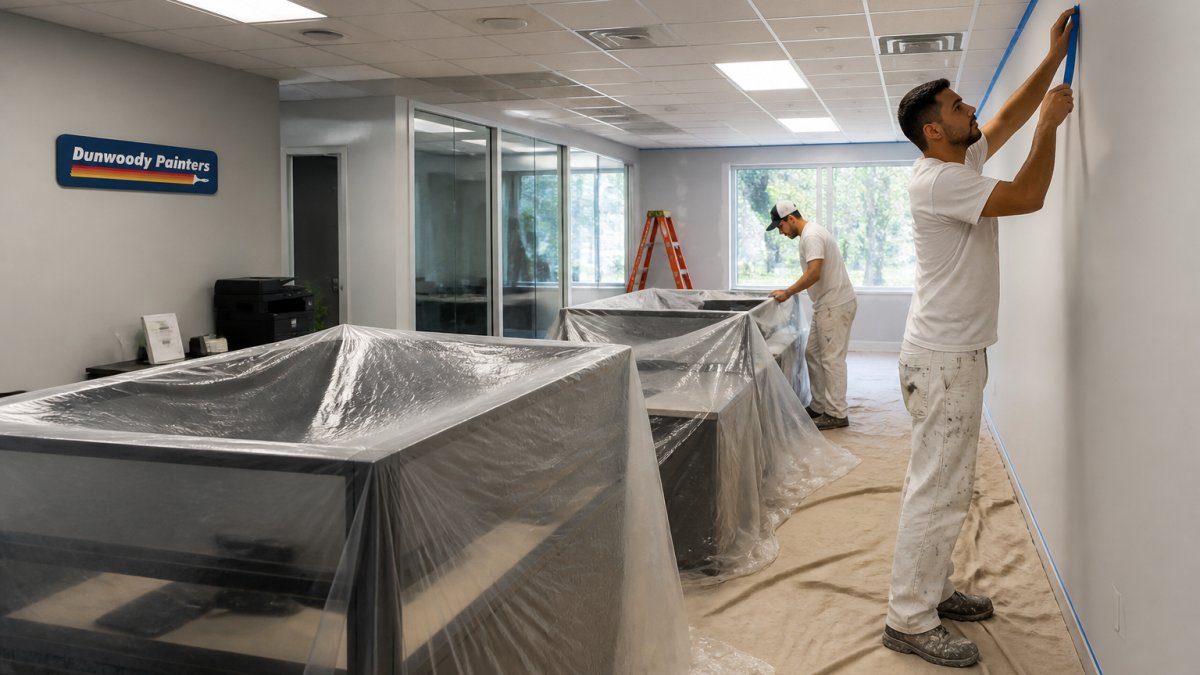
Protecting furniture and equipment prevents damage and staining. Professional contractors use drop cloths, plastic sheeting, and careful placement to isolate work areas. They move furniture away from walls or cover it thoroughly.
Designate clear boundaries between painted and unpainted areas. In occupied buildings, this separation allows work to continue in one area while employees work in another.
Ventilation and safety protocols
Ventilation removes paint odors and fumes, improving air quality and employee comfort. Open windows when weather permits. Run HVAC systems to circulate air. Your contractor may use temporary ventilation equipment to accelerate air changes.
Safety protocols protect employees and painters alike. Wet paint areas should be marked and cordoned off. Slip hazards from drop cloths should be managed carefully.
Maintenance and Warranty After Your Commercial Painting Project
The paint job doesn't end when the contractor leaves. Proper maintenance extends the life of your investment and keeps the space looking professional.
What a workmanship warranty actually covers
A workmanship warranty covers defects in application, peeling, cracking, or failure caused by improper prep, priming, or painting. It does not cover damage from accidents, abuse, or environmental factors beyond the painter's control.
Dunwoody Painters provides a written 2-year workmanship warranty on every project. This means if paint fails due to our application error within two years, we return and correct it.
Long-term care and repainting schedules
Interior office paint typically lasts 5-7 years in normal conditions. High-traffic areas may need refreshing sooner. Regular cleaning and minor touch-ups extend paint life.
Exterior paint lasts 7-10 years depending on weather exposure and surface condition. Regular inspection catches problems early. Addressing peeling or damage promptly prevents larger issues.
Maintaining a professional office environment requires attention to details that most business owners overlook.
Frequently Asked Questions
How much do commercial painting services for offices cost?
Commercial painting cost depends on square footage, surface condition, paint type, labor complexity, and whether work occurs during business hours or nights/weekends. Occupied-building scheduling typically increases costs. Get detailed estimates from multiple contractors that break down labor, materials, and any premium fees. Dunwoody Painters provides line-by-line estimates so you see exactly what you're paying for.
How long does it take to paint an office?
Timeline varies by project size, surface preparation needs, and scheduling constraints. Contractors should provide a detailed timeline during the estimate phase, including prep, painting, and cure time before full occupancy.
What should be included in a commercial painting estimate?
A thorough estimate covers square footage, surface preparation costs, primer and paint specifications, labor hours, equipment rental, scheduling details, warranty terms, and payment terms. It should itemize materials separately from labor. Avoid estimates that lump everything together. A line-by-line breakdown lets you compare apples-to-apples between contractors and understand where your money goes.
How do you choose a commercial painting contractor?
Verify licensing and insurance, confirm background checks on crew members, review references from similar office projects, check warranty coverage in writing, and assess their experience with occupied buildings. Request bids from at least two contractors and ask how they manage scheduling around business operations. Look for contractors who communicate clearly and stand behind their work with a written warranty.
Can an office be painted without disrupting business operations?
Yes, with proper planning. Night and weekend scheduling minimizes daytime disruption, though it may increase costs. Phased approaches paint one section or floor at a time. Key factors: advance notice to staff, dust control measures, ventilation management, and clear communication about access and timelines. Professional contractors experienced with occupied buildings know how to protect your operations.
What type of paint is best for office walls?
Low-VOC (volatile organic compound) paints are ideal for offices because they release fewer harmful chemicals, improving indoor air quality. Choose finishes based on use: flat or matte for executive areas, eggshell or satin for high-traffic zones (more washable and durable). Commercial-grade paints last longer than residential products. Discuss your space's needs with your contractor to select coatings that balance aesthetics, durability, and health.