
 listicle
Commercial Painting Services for Retail Spaces
Table of Contents
- Why Professional Commercial Painting Services Matter for Retail Spaces
- Interior vs. Exterior Retail Painting: What You Need to Know
- Hiring Reliable Commercial Painting Contractors
- Retail Store Interior Painting Best Practices
- Commercial Painting Cost Per Square Foot: What to Budget
- Minimizing Business Disruption During Your Painting Project
- Color Consultation and Branding for Retail Environments
- Getting Your Commercial Painting Project Estimate
- Frequently Asked Questions
Last Updated: September 27, 2026
Why Professional Commercial Painting Services Matter for Retail Spaces
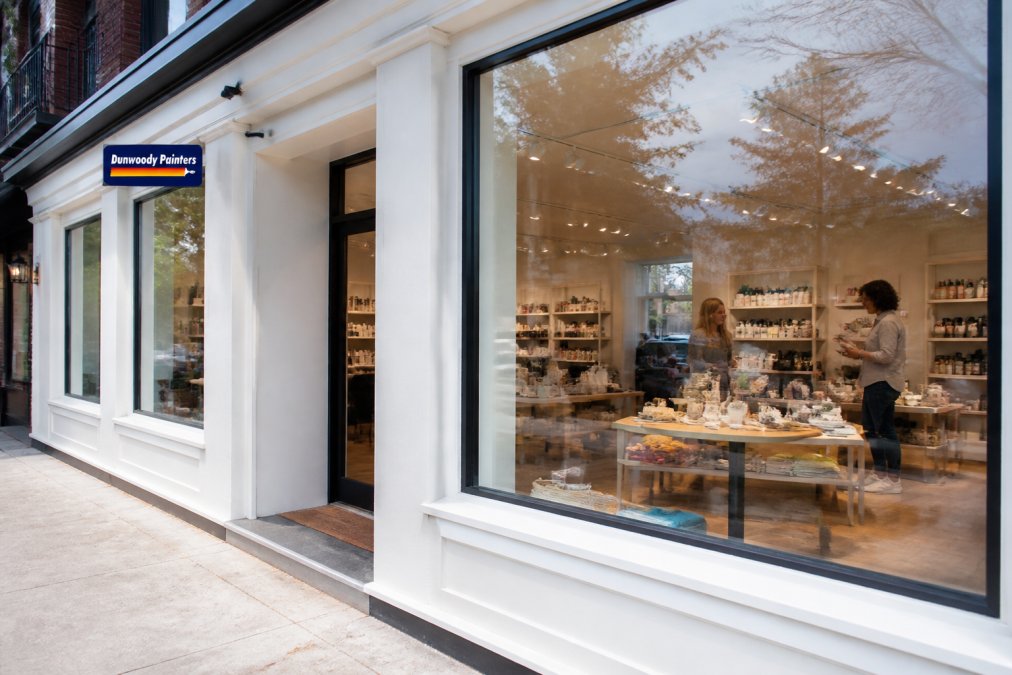
Your retail space's appearance shapes customer perception instantly. A worn storefront signals neglect; fresh paint signals professionalism. Commercial painting services for retail spaces become a business asset, not just cosmetic work.
Commercial painting services for retail spaces demand durability in high-traffic environments, brand-reinforcing colors, and execution that minimizes disruption. Professional contractors deliver fast turnaround, minimal downtime, and finishes that withstand constant foot traffic and cleaning.
Professional finishes increase perceived value and customer dwell time. ROI is measured in the impression your space makes the moment customers walk through the door.
Budget painting skips prep, uses lower-grade materials, and fails within months. Professional contractors invest in substrate repair, matched primer selection, and application techniques that create durable finishes lasting 5-7 years.
Interior vs. Exterior Retail Painting: What You Need to Know
Interior retail painting focuses on customer experience and brand atmosphere. Walls in high-traffic areas need finishes that withstand frequent cleaning, resist scuffs, and maintain color vibrancy under varying lighting conditions. Common interior challenges include navigating existing fixtures, protecting merchandise during prep and application, and scheduling work around store hours. Many retail owners choose to paint during off-hours or closed days to eliminate disruption entirely.
Interior prep requires drywall repair and substrate assessment to prevent peeling or cracking. Proper surface preparation separates durable finishes from failures.
Exterior retail painting addresses weathering, UV exposure, and the first impression passersby form. Exterior walls face rain, temperature swings, and direct sunlight, all factors that degrade standard interior paints rapidly. Commercial-grade exterior coatings resist these elements far better than residential options. Exterior prep also demands attention to caulking, flashing, and any structural issues that could allow water intrusion.
Exterior projects have fewer scheduling constraints but require weather planning. Professional contractors schedule during dry seasons and monitor forecasts for proper drying.
Many retail locations need both interior and exterior work. A single contractor ensures color consistency and efficient scheduling.
Hiring Reliable Commercial Painting Contractors
Verify credentials first. Licensed and insured contractors provide proof. Verify licenses directly with your state's licensing board and confirm insurance coverage.
Check references and reviews. Ask contractors for references from recent retail projects, not just residential work. Retail projects have unique demands, and a contractor experienced with high-traffic commercial spaces understands those nuances better than one who primarily paints homes. Online reviews on platforms like Thumbtack's contractor ratings provide insight into reliability, communication, and quality. Read both positive and critical reviews, how contractors respond to complaints reveals professionalism.
Request detailed written estimates. Professional contractors provide line-by-line breakdowns: surface prep, primer, paint, labor, timeline, and repairs. Compare multiple estimates to identify outliers; significantly lower bids may indicate shortcuts.
Ask about project management. How will the contractor minimize disruption to your operations? What's their approach to scheduling? Do they have a project manager who handles logistics, or does communication flow through the lead painter? Professional contractors have systems for tracking progress, managing materials, and keeping projects on schedule. Dunwoody Painters, for example, provides detailed project management and clear timelines so you know exactly when work begins and ends.
Clarify warranty and guarantees. What's covered if paint fails or problems emerge after completion? A written warranty, ideally 2 years or longer, demonstrates confidence in materials and workmanship. Understand what the warranty covers: peeling, fading, adhesion failure, or only defects in application. A contractor unwilling to back their work with a written warranty raises red flags.
Retail Store Interior Painting Best Practices
Professional interior painting for retail spaces requires specific techniques and material choices that differ from standard residential work.
Surface preparation is non-negotiable. Professionals spend 60-70% of project time on prep: cleaning, patching holes, sanding rough spots, and priming. This foundation determines whether paint adheres properly and lasts. Shortcuts here create visible failures, peeling, cracking, or uneven color, within months. Retail environments with frequent cleaning and high humidity demand extra attention to moisture barriers and primer selection.
Choose coatings rated for commercial use. Retail interiors need paint formulated for durability, washability, and scuff resistance. Commercial-grade latex or acrylic paints outperform standard interior paints in high-traffic areas. Some retailers also select low-VOC (volatile organic compound) paints to improve air quality and reduce odors during application, important in occupied retail spaces. Ask your contractor about paint options that balance durability, environmental impact, and cost.
Color selection impacts customer behavior. This isn't just aesthetics, color influences how customers perceive your space, how long they stay, and even their purchasing decisions. Warm colors (reds, oranges, yellows) create energy and urgency. Cool colors (blues, greens) promote calm and trust. Neutral backgrounds (grays, beiges, whites) provide versatility and let merchandise stand out. Professional contractors often recommend color consultations to ensure your choice aligns with your brand and customer psychology. Dunwoody Painters includes color consultation as part of the service, helping retail owners select finishes that reinforce their brand identity.
Plan for minimal disruption. Schedule painting during closed hours, early mornings before opening, or weekends. Professional contractors can often complete smaller retail spaces in 2-3 days with proper planning. Discuss with your contractor whether they'll work off-hours for an additional fee, many do, especially for retail clients who can't afford daytime closures.
Commercial Painting Cost Per Square Foot: What to Budget
Understanding typical cost ranges helps you evaluate estimates and plan budgets realistically. Costs vary based on location, surface condition, paint quality, and project complexity.
Commercial interior painting typically ranges from $1.50 to $4.00 per square foot for labor and materials combined, depending on surface preparation needs and paint grade selected. A 3,000-square-foot retail space might cost between $4,500 and $12,000 for a full interior refresh. Exterior painting generally costs more, $2.00 to $5.00 per square foot, due to equipment, weather considerations, and substrate complexity.
These ranges are estimates. Your actual cost depends on several factors: Are walls in good condition or do they need extensive repair? Is the existing paint in good adhesion or will it require stripping? Are you selecting premium, mid-range, or budget-conscious paint options? Is the space occupied during work, requiring off-hours scheduling?
Request detailed estimates from multiple contractors. Compare not just the total price but what's included: surface prep, primer, paint, labor, cleanup, and any warranty. A lower estimate that skips prep work will cost more in the long run through early failure. A higher estimate that includes comprehensive prep and quality materials represents better value.
When evaluating cost, consider the ROI. Professional finishes improve customer perception and last 5-7 years in retail environments. Budget painting might need refreshing in 2-3 years. The per-year cost of professional work often beats cheaper alternatives when longevity is factored in.
Minimizing Business Disruption During Your Painting Project
Retail spaces can't simply close for a week while painters work. Minimizing disruption requires planning and coordination with your contractor.
Schedule strategically. Off-hours painting, evenings, weekends, or closed Mondays, eliminates customer disruption. This typically costs 15-25% more than daytime work, but for many retailers, it's worth the premium. Discuss scheduling flexibility with contractors. Some offer tiered pricing based on timing: standard rates for daytime work, premiums for nights and weekends.
Plan phased work. For larger spaces, painters can work section by section, keeping most of the store operational. One area closes for painting while customers access the rest. This requires careful sequencing and coordination but allows business to continue.
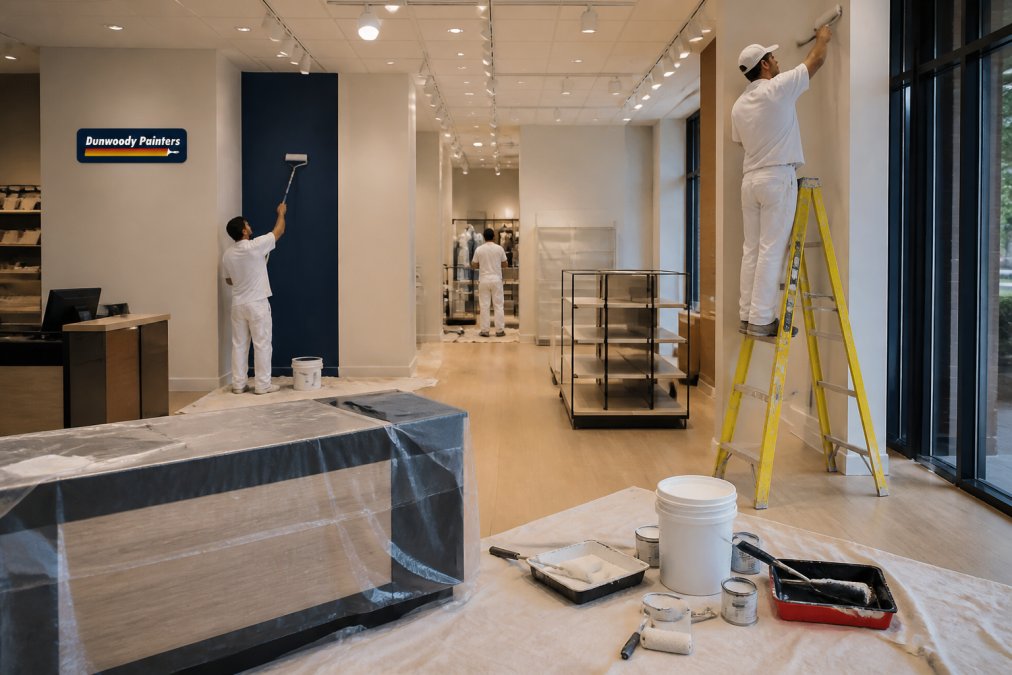
Protect merchandise and fixtures. Professional contractors use drop cloths, plastic sheeting, and careful masking to protect products, shelving, and equipment. Discuss protection protocols before work begins. Ask whether the contractor will remove lightweight items or if that's your responsibility.
Communicate with staff and customers. Post signage explaining the project timeline and any access restrictions. Notify regular customers of upcoming work. Transparent communication reduces frustration and maintains goodwill.
Plan for odor and fumes. Even low-VOC paints produce odors during application. Ensure adequate ventilation, open windows and doors where possible. Schedule painting when customer traffic is lowest to minimize exposure.
Professional contractors understand these concerns and plan accordingly. At Dunwoody Painters, project management includes coordination to minimize disruption and maintain your retail operations throughout the work.
Color Consultation and Branding for Retail Environments
Your color choices communicate your brand identity before customers interact with a single product. Strategic color selection strengthens brand recognition and influences customer behavior.
Align colors with brand identity. Your paint colors should reinforce your brand's personality and values. A luxury boutique might use deep jewel tones or sophisticated neutrals. A children's store might incorporate brighter, playful colors. A professional services office might choose calming, trustworthy blues or grays. Consistency between exterior and interior colors creates a cohesive brand experience.
Consider customer psychology. Colors trigger emotional responses. Red increases urgency and appetite, common in fast-casual restaurants. Blue promotes trust and calm, frequent in financial services and healthcare. Green suggests growth and health, popular in wellness and sustainability-focused businesses. Yellow creates optimism and energy. Understanding these associations helps you select colors that reinforce your business goals.
Test before committing. Professional contractors often recommend painting sample sections or providing paint chips to view in your actual lighting conditions.
Getting Your Commercial Painting Project Estimate
A detailed estimate is your roadmap for the project. Understanding what's included protects you and ensures accurate comparisons between contractors.
Frequently Asked Questions
What should I look for when hiring a reliable commercial painting contractor?
Look for contractors with verifiable background checks on their crews, written warranties on their work, and detailed line-by-line estimates. Ask for references from other retail clients and confirm they're licensed and insured. A reputable contractor should be transparent about project timelines, materials used, and their approach to minimizing disruption to your business operations.
How much does commercial painting cost per square foot for retail spaces?
Commercial painting pricing depends on several factors: wall condition, surface preparation needs, paint quality, and project complexity. Budget benchmarks vary, but actual costs depend on your specific retail space, existing substrate damage, and the durability level you need for high-traffic areas. Request a detailed project estimate from your contractor for accurate pricing.
Can commercial painters work after hours to keep my retail store open?
Many professional commercial painting contractors offer flexible scheduling, including after-hours and weekend work, specifically to minimize business disruption. This is especially valuable for retail spaces where customer traffic during the day is critical. Discuss scheduling options during your initial consultation, as off-hours work may affect your project timeline and overall cost.
What's included in a commercial painting contractor's warranty?
A professional contractor's warranty typically covers workmanship defects, peeling, cracking, and improper application for a specified period (commonly 2 years). The warranty should be in writing and clearly state what's covered and what isn't. It should address both interior and exterior finishes and include details about how quickly the contractor will address any issues that arise.