
 how-to
How to Verify Painting Contractor Background Checks
Table of Contents
- Why Verifying a Painting Contractor's Background Matters
- How to Verify a Contractor License Number
- Checking Criminal History and Background Records
- Verifying Painting Contractor Insurance Requirements
- How to Check Contractor References and Past Work
- Questions to Ask Painting Contractors Before Hiring
- Creating Your Contractor Vetting Checklist
- Frequently Asked Questions
Last Updated: October 2, 2026
Why Verifying a Painting Contractor's Background Matters
Hiring a painting contractor is significant, you're inviting someone into your home with access to your property and family. Learning how to verify painting contractor background checks is essential before signing any agreement.
A contractor's background reveals licensing status, insurance coverage, past performance, complaints, legal issues, and disciplinary actions. Without this information, you're deciding based only on a phone call and estimate.
Poor workmanship costs money to fix, and a dishonest contractor can damage your property. Verifying a painting contractor's background upfront protects your investment and peace of mind.
How to Verify a Contractor License Number
A valid contractor license proves the contractor has met state requirements and passed exams. Without one, they may lack proper insurance or bonding.
Ask for the license number directly. A legitimate contractor provides it immediately without hesitation.
Visit your state's licensing board website and search the license number to verify it's active, the name matches, it covers painting work, and there are no restrictions or limitations.
Also search by name to reveal multiple licenses, name changes, or disciplinary actions.
If the contractor claims they don't need a license, that's a red flag, most states require it for residential work, and unlicensed contractors leave you unprotected.
Checking Criminal History and Background Records
Criminal history searches reveal concerning records for the contractor and crew members. Most homeowners overlook a crucial distinction: you must verify both the business owner and the actual employees or subcontractors who will enter your home.
Vetting the Contractor Owner
Use a third-party background screening service (typically $20-$50 per person) like Checkr, GoodHire, or Instant Checkmate, which compile criminal records, civil judgments, and financial information into one report.
Alternatively, search public records free through your county clerk's office or state court system. Search the contractor's full name and any previous names.
Focus on felony convictions and patterns of behavior, not isolated minor infractions. A pattern of theft, fraud, assault, or drug-related convictions warrants hiring someone else. Pay particular attention to crimes involving dishonesty or violence, as these directly relate to trustworthiness in your home.
Ask the contractor directly about their background. If they refuse to discuss it, become defensive, or their story doesn't match public records, that's a red flag.
Vetting Crew Members and Subcontractors
A contractor with a clean record doesn't guarantee the people actually painting your home are trustworthy. You have the right to know who will be in your home.
Ask if they'll do the work themselves or use employees or subcontractors. If they use a crew, request the names of specific individuals who will work on your project. Legitimate contractors provide this.
Run background checks on crew members using the same services. Some contractors may resist, citing employee privacy, but your right to know who enters your home supersedes this concern. A confident contractor will cooperate.
For subcontractors, verify they carry their own insurance and licensing. Request proof of insurance naming your address as a work location. This protects you if a subcontractor causes damage or injury.
Understanding Background Check Limitations
Background checks aren't foolproof, records may be incomplete, especially for frequent movers or those with name changes. Expungements and sealed records won't show up in standard searches.
If a background check is incomplete or unclear, ask the contractor for clarification and documentation. If they can't or won't provide it, that's worth noting.
The absence of a criminal record doesn't guarantee good behavior. Background checks are one tool in a larger verification process, not the only one.
Red Flags in Background Checks
Watch for multiple addresses in a short time (instability), civil judgments (financial irresponsibility), multiple bankruptcies, licensing board complaints, and unexplained employment gaps.
Verifying Painting Contractor Insurance Requirements
Proper liability and workers' compensation insurance demonstrates professionalism and protects you if something goes wrong.
Request proof of two types of insurance: General Liability Insurance (covers property damage the contractor causes) and Workers' Compensation Insurance (covers employee injuries). Without the latter, you could be liable for medical bills or lost wages.
Request certificates of insurance directly from the contractor. Call the insurance company to verify the policy is active and coverage amounts are adequate.
Liability insurance should be at least $1 million for residential jobs.
Verify the contractor is the policyholder, not just an employee on someone else's policy.
Ask when policies renew to confirm coverage remains active throughout your project.
If the contractor can't provide proof of insurance, that's a dealbreaker, it suggests they cut corners elsewhere.
How to Check Contractor References and Past Work
References provided by the contractor are inherently biased. To get a complete picture, actively search for both satisfied and dissatisfied customers.
Requesting and Vetting Official References
Ask for at least three to five recent references, ideally from the past 12 months.
Ask specific questions: Did they finish on time? Was the crew respectful and professional? Did they protect furniture and floors? How does the paint finish look months later? Did they handle touch-ups or warranty work? Would you hire them again?
Searching for Hidden Complaints and Negative Feedback
Google Reviews and Maps: Search the contractor's business name. Pay attention to patterns, multiple complaints about the same issue (missed deadlines, poor cleanup, quality problems) indicate systemic problems.
Interpreting Review Patterns
Look for overall rating trends (4.5+ stars is good), recency of reviews, specificity of complaints, how the contractor responds to criticism, and recurring complaint themes.
Verifying Work Quality Through Photos and Visits
Ask the contractor for a portfolio of past work. Many maintain galleries on their website or social media showing before-and-after photos. While these are curated, they show the contractor's best work and give you a sense of their style and quality.
- Paint coverage: Are there thin spots where the underlying color shows through?
- Edge work: Are lines between painted and unpainted surfaces crisp and clean, or sloppy?
- Trim and detail work: Did they carefully paint around fixtures, or are there drips and splatters?
- Consistency: Does the color and finish look uniform across the entire surface, or are there variations?
- Durability: If the work is several months old, is the paint holding up, or is it already showing wear, peeling, or fading?
Creating a Reference Scorecard
As you gather feedback, create a simple scorecard to compare contractors fairly:
| Feedback Source | Contractor A | Contractor B | Contractor C |
|---|---|---|---|
| Official references (avg. sentiment) | Positive | Mixed | Positive |
| Google/Yelp average rating | 4.8 stars | 3.9 stars | 4.6 stars |
| Number of reviews | 42 | 18 | 35 |
| Negative review themes | None recurring | Delays, quality | Cleanup issues |
| BBB complaint history | None | 2 resolved | None |
| In-person work visit | Excellent | Not visited | Good |
Questions to Ask Painting Contractors Before Hiring
The right questions reveal whether a contractor is organized, professional, and right for your project. These conversations also help you compare contractors fairly.
Start with project logistics:
- How long will the job take?
- What's your crew size and experience level?
- Will you provide a detailed written estimate?
- What's your payment schedule and cancellation policy?
Then ask about their process and standards:
- What surface preparation do you do?
- What paint brand and quality do you use?
- Do you move furniture or should we do it?
- How do you protect floors and furniture during painting?
- Will you handle cleanup, or is that extra?
Ask about their background and credentials:
- Can you provide proof of licensing and insurance?
- How long have you been in business?
- Are you bonded?
- Do your crews undergo background checks?
Finally, ask about guarantees and warranties:
- What warranty do you offer on your work?
- If paint starts peeling, will you fix it?
- What happens if I'm not satisfied with the results?
Creating Your Contractor Vetting Checklist
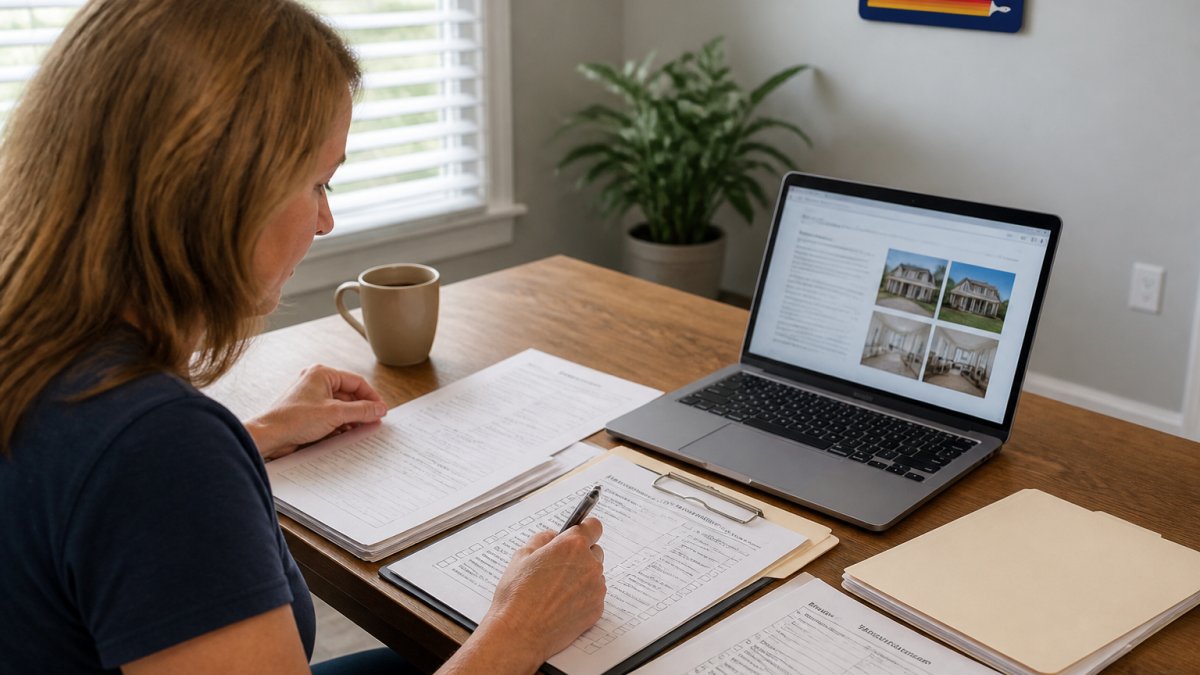
A checklist keeps you organized and ensures you don't miss any verification steps. Use it to track what you've confirmed for each contractor you're considering.
| Verification Step | Contractor A | Contractor B | Contractor C |
|---|---|---|---|
| License number verified | ☐ | ☐ | ☐ |
| License is active | ☐ | ☐ | ☐ |
| Criminal background checked | ☐ | ☐ | ☐ |
| Liability insurance verified | ☐ | ☐ | ☐ |
| Workers' comp insurance verified | ☐ | ☐ | ☐ |
| References contacted | ☐ | ☐ | ☐ |
| Past work reviewed | ☐ | ☐ | ☐ |
| Written estimate received | ☐ | ☐ | ☐ |
| Warranty details confirmed | ☐ | ☐ | ☐ |
| Business registration verified | ☐ | ☐ | ☐ |
Frequently Asked Questions
Can you run a background check on a painting contractor?
Yes. You can request that contractors provide proof of background screening, or you can run your own using public records databases. Ask contractors directly if their employees have undergone criminal background checks and workers' compensation screening. Many reputable contractors, including those with background-checked crews, will share this information as part of their hiring due diligence. Request documentation before hiring to verify their compliance with background screening requirements.
What documents should I ask for before hiring a painting contractor?
Request a valid contractor license, proof of active liability insurance, workers' compensation insurance documentation, and a written estimate with line-by-line details. Ask for references from recent projects and verification of business registration status. Some contractors will also provide proof of background screening for their crews. Collecting these documents upfront protects you and ensures you're hiring a legitimate, properly credentialed professional.
How do I verify a contractor's license and insurance status?
Contact your state or local licensing board directly to confirm the contractor license number is active and in good standing. Request proof of liability insurance and workers' compensation coverage, then verify these policies are current by contacting the insurance provider. Never rely solely on what the contractor tells you. Cross-check all credentials through official channels to confirm active registration and that no disciplinary action is on record.
What is the difference between a licensed contractor and a bonded contractor?
A licensed contractor has passed state or local exams and meets trade classification requirements set by the licensing board. A bonded contractor has posted a financial bond that protects consumers if the contractor fails to complete work or breaches contractual obligations. A contractor can be licensed but not bonded, or bonded but not licensed. Check both status independently and ask which applies to your contractor, as bonding provides additional consumer protection.