
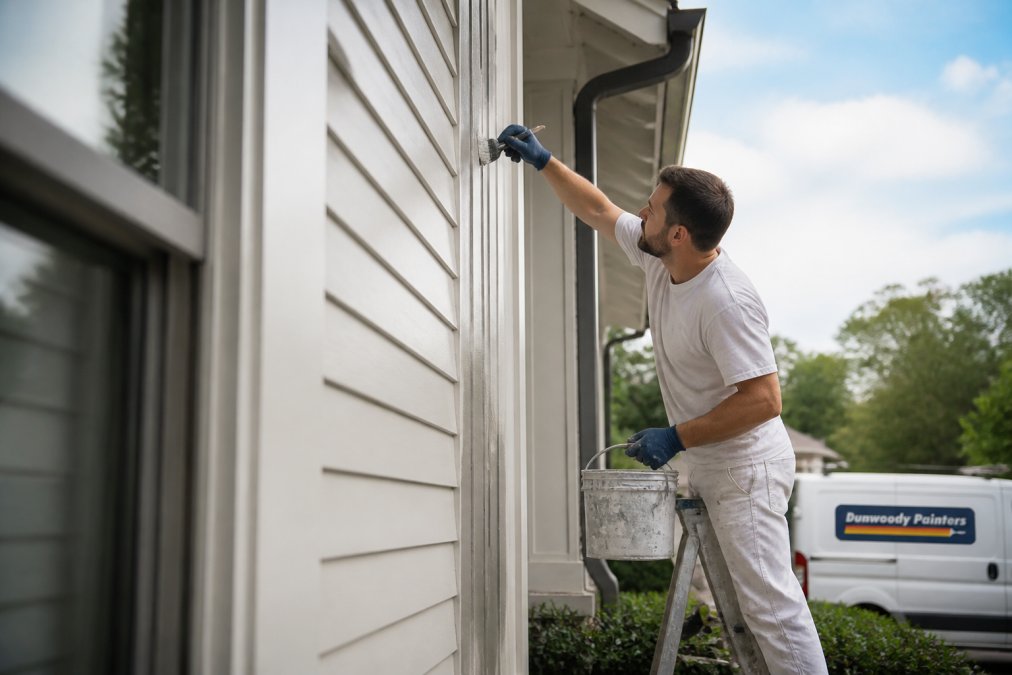
 blog
blog
Is Professional Painting Worth the Cost? A 2026 Guide
Table of Contents
- DIY Painting vs Professional Cost Breakdown
- How to Vet a Painting Contractor
- Painting Contractor Payment Terms
- Painting Workmanship Warranty
- Quality of Finish and Long-Term Durability
- ROI Analysis: Property Value and Curb Appeal
- Frequently Asked Questions
Last Updated: September 16, 2026
DIY Painting vs Professional Cost Breakdown
The question "is professional painting worth the cost" comes down to what you're actually paying for: not just paint on a wall, but surface preparation, proper technique, and a finish that holds up. At Dunwoody Painters, we've spent over 15 years watching homeowners weigh this decision, and the honest answer is that it depends on scope, surface condition, and how you value your own time.
A DIY approach looks cheaper on paper. The real comparison is messier, because the sticker price of a can of paint hides the labor, the tools, and the do-overs that never make it onto the receipt.
Material Expenses and Hidden Costs
Material expenses for a DIY project include paint, primer application supplies, caulking, sanding materials, drop cloths, and painter's tape. Paint is the line item most people price first, and it's rarely the one that blows the budget.
The hidden costs show up later. A common pattern is buying a second gallon because you miscalculated square footage, one gallon typically covers about 350 to 400 square feet per coat on smooth interior drywall, less on porous or textured surfaces, and most rooms need two coats. Replacing a cheap brush that left roller marks, buying a ladder tall enough for a two-story foyer, or paying someone to fix drip and splatter damage to floors and furniture all land outside the original estimate.
The costliest hidden item is the do-over. Paint applied over dust, grease, or loose material fails early, and the fix is not a touch-up, it's scraping, sanding, priming, and repainting the same wall a second time. That means paying for materials twice and spending the labor twice. A single failed exterior wall or a peeling bathroom ceiling can erase most of what you thought you saved.
Most homeowners underestimate how much prep a job actually needs. Surface preparation often consumes more time than the painting itself, and skipping it is the fastest route to peeling paint within a year.
Labor Costs and Time Investment
Labor costs are the largest line item in any professional estimate, and they exist because painting is labor-intensive. A professional crew brings professional equipment like an airless sprayer, plus the experience to handle cut-in work, trim and molding, and ceiling height safely.
DIY saves the labor charge but spends your weekends instead. A room that takes a crew a day can take a homeowner a week or more once prep, drying time, and cleanup are counted. Multiply that across a whole house and the time cost becomes the real currency.
Here's the trade-off in plain terms: a professional estimate bundles materials, labor, equipment, insurance, and a warranty into one number. A DIY budget shows only materials, which is why the two figures are never apples to apples. The professional number is higher up front and fixed. The DIY number is lower up front and open-ended.
| Factor | DIY | Professional |
|---|---|---|
| Upfront cost | Materials only | Materials plus labor |
| Time investment | Weekends over several weeks | Days, scheduled |
| Finish consistency | Varies with skill | Uniform, inspected |
| Warranty | None | Written workmanship warranty |
| Safety risk | Ladder work solo | Trained crews, insured |
| Risk of do-over | Borne entirely by you | Covered by the contractor |
When DIY Actually Wins
DIY is not automatically the wrong call. It wins on small, low-stakes, low-visibility jobs: a single closet, a utility room, a garage interior, a quick touch-up on scuffed trim. These are surfaces where a slightly imperfect edge costs you nothing and the material savings are real.
DIY loses on anything tall, anything visible, and anything you want to last. Two-story foyers, vaulted ceilings, stairwells, exterior siding, and cabinets all punish inexperience, and the failure mode is expensive, not cosmetic. That's the break-even line: if a mistake would force you to strip and repaint, the labor you saved is smaller than the risk you took.
How to Vet a Painting Contractor
Learning how to vet a painting contractor protects you more than any price comparison. Ask for proof of licensing and insurance before anyone touches a brush, then verify that proof directly rather than trusting a photocopy.
Insurance coverage matters because a ladder fall or a spilled gallon on your hardwood is a real liability. Ask for a certificate of insurance and confirm it's current. Licensing requirements vary by state and locality, so check with your local government office to confirm what applies where you live and whether the contractor is registered.
For interior painting and exterior painting alike, get a detailed, line-by-line estimate rather than a lump sum. A written scope tells you what's included: caulking, sanding, primer application, and how many coats.
Insurance Coverage and Licensing Checks
Request the certificate of insurance directly from the insurer, not the contractor. Confirm the policy covers general liability and workers' compensation, and check the effective dates.
Licensing varies by jurisdiction. Your state or county licensing board can confirm whether a contractor is registered and whether complaints have been filed. This step takes minutes and prevents expensive problems.
Painting Contractor Payment Terms
Painting contractor payment terms should protect you, not just the contractor. A deposit covering materials is normal. Paying the full balance before the job is finished is not.
Dunwoody Painters operates on a no payment until complete policy, meaning you don't pay until the work is done to your satisfaction. That structure removes the risk of paying for a job that stalls halfway.
Be cautious with any contractor demanding large upfront cash payments. A reasonable schedule ties payments to milestones: a materials deposit, then the balance on completion and your walkthrough approval.
Painting Workmanship Warranty
A painting workmanship warranty is a written promise to fix defects caused by application, not by the paint itself. It's the clearest signal that a contractor stands behind their labor.
Manufacturer warranties cover the paint product. Workmanship warranties cover how it was applied: paint adhesion, cracking, peeling, and finish consistency. Read the terms carefully. Ask what's covered, how long it lasts, and what voids it.
Dunwoody Painters backs every job with a written 2-year workmanship warranty.
Quality of Finish and Long-Term Durability
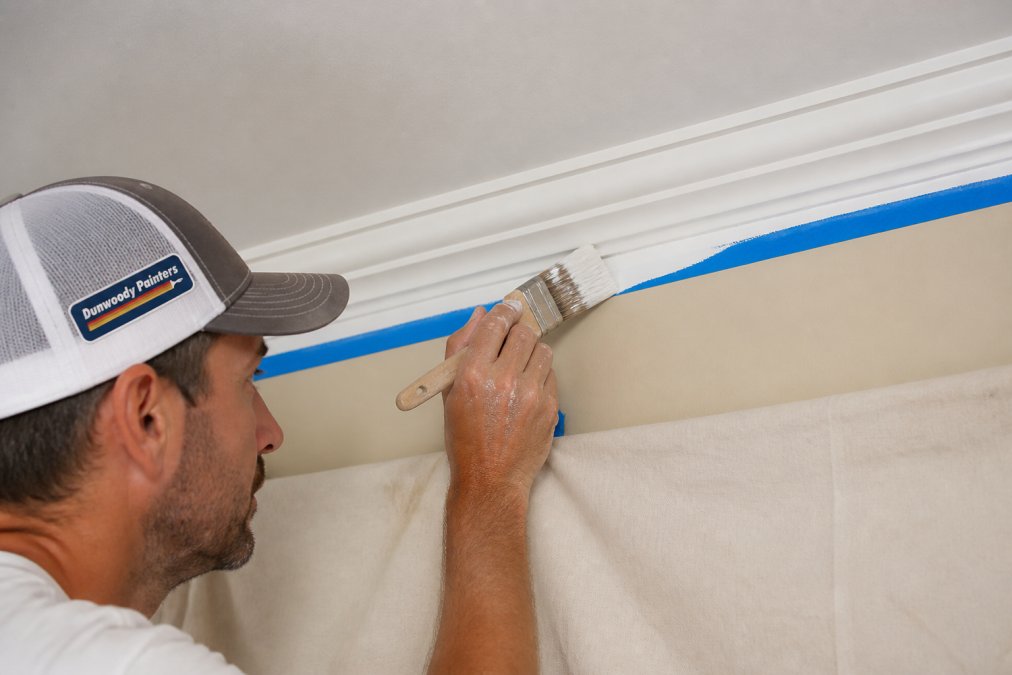
Quality of finish is where professional work separates itself. Crisp cut-in lines along ceilings and trim and molding, uniform coverage without roller marks, and no drip and splatter come from trained hands and proper technique.
ROI Analysis: Property Value and Curb Appeal
Fresh paint improves curb appeal and supports home equity, especially before a sale. Exterior painting is one of the most visible updates a buyer notices, and interior painting in neutral tones helps rooms photograph and show better. But "it looks nicer" is not an ROI argument. Here's the mechanism behind the return.
How Paint Shows Up in an Appraisal
Appraisers work from comparable sales, condition ratings, and visible deferred maintenance. Peeling exterior paint, cracked caulk lines, and water-stained ceilings read as deferred maintenance, a signal that other systems in the home may also have been neglected. That signal can pull a condition rating down, and a lower condition rating can pull the appraised value down with it.
Time on Market and Buyer Psychology
A common pattern reported by agents is that homes needing obvious paint work sit longer and attract lower opening offers. Buyers mentally subtract the cost of the work, and then some, because they're pricing in the hassle. A home that shows clean and finished removes that mental deduction before the first offer is written.
The Durability Math Over Time
Durability depends on surface preparation, primer application, and paint quality, three things DIYers often shortcut. A properly prepped and primed surface holds paint adhesion far longer, which pushes out your next repainting frequency. Caulking gaps and sanding rough patches before painting prevents the cracking that shows up months later.
Where the Return Is Weakest
Paint ROI is not uniform. It's strongest on exterior surfaces and main living areas that buyers see first, and weakest on spaces nobody photographs, a utility room, a garage, a basement storage area. Spending premium labor on invisible surfaces rarely pays back at resale.
Frequently Asked Questions
How much does professional painting increase home value?
A professional paint job can significantly boost curb appeal and home equity. While exact returns vary by market, a fresh exterior or interior finish makes a strong first impression on buyers. The investment often pays off at resale because it signals a well-maintained property, potentially leading to faster sales and higher offers.
What are the hidden costs of DIY painting?
Hidden costs include buying professional equipment and extensive surface preparation materials. Mistakes like roller marks, drips, and poor adhesion can require costly rework. The time investment is also substantial, often taking weekends or weeks, which may be better spent elsewhere.
How long does a professional paint job last compared to DIY?
Professional painting typically lasts longer due to proper surface preparation, primer application, and high-quality materials. The durability difference often makes professional painting more cost-effective over time.
What should I look for when hiring a professional painting contractor?
Look for licensed and insured contractors with a written workmanship warranty and clear payment terms. Check reviews, ask for references, and request a detailed, line-by-line estimate. A reputable contractor will use background-checked crews for peace of mind.
Weighing whether professional painting is worth the cost means weighing your time, your tolerance for rework, and how long you want the finish to last. Dunwoody Painters removes the guesswork with background-checked, in-house crews, detailed line-by-line estimates, a no-payment-until-complete policy, and a written 2-year workmanship warranty. Schedule a free estimate and get a finish you won't have to redo.