 comparison
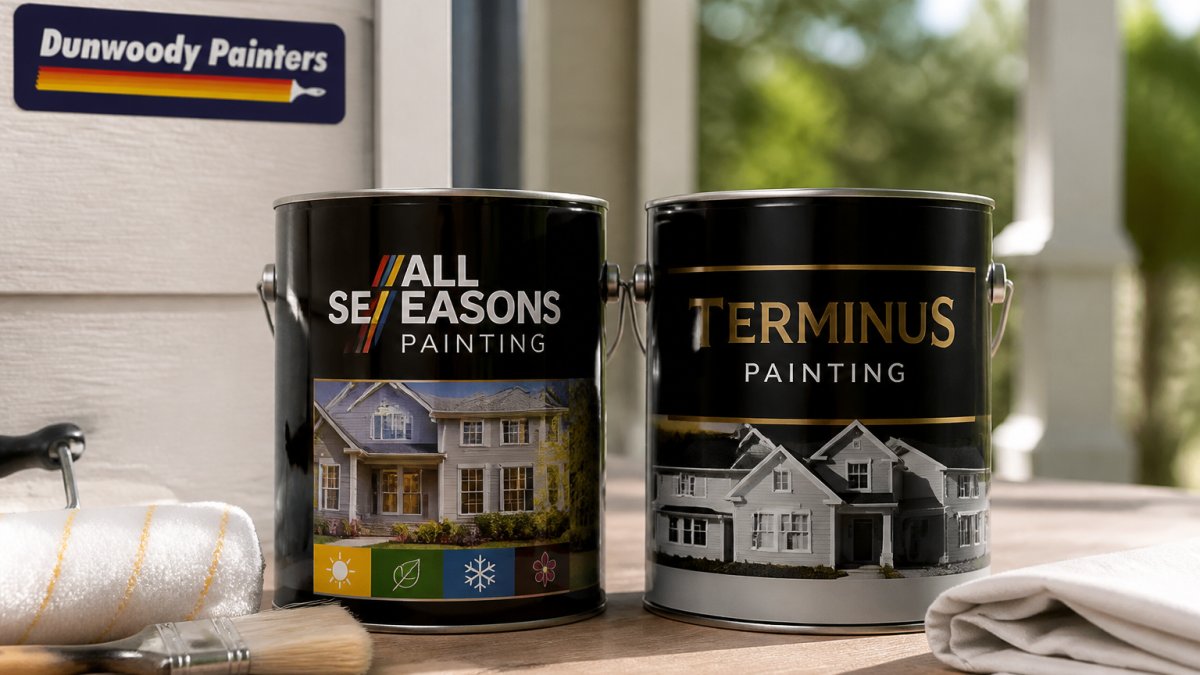
All Seasons Painting vs Terminus Painting
Table of Contents
- Quick Comparison: All Seasons Painting vs Terminus Painting
- Service Offerings and Coverage Areas
- Understanding Your Painting Estimate Checklist
- Painting Contractor Warranty: What Each Company Covers
- House Painting Cost in Georgia: Pricing and Value
- Licensing, Insurance, and Worker Protections
- Which Painting Company Should You Choose?
- Frequently Asked Questions
Last Updated: October 12, 2026
Quick Comparison: All Seasons Painting vs Terminus Painting
All Seasons Painting and Terminus Painting are two established Metro Atlanta options with distinct service models. This comparison breaks down what separates them so you can choose based on your project needs.
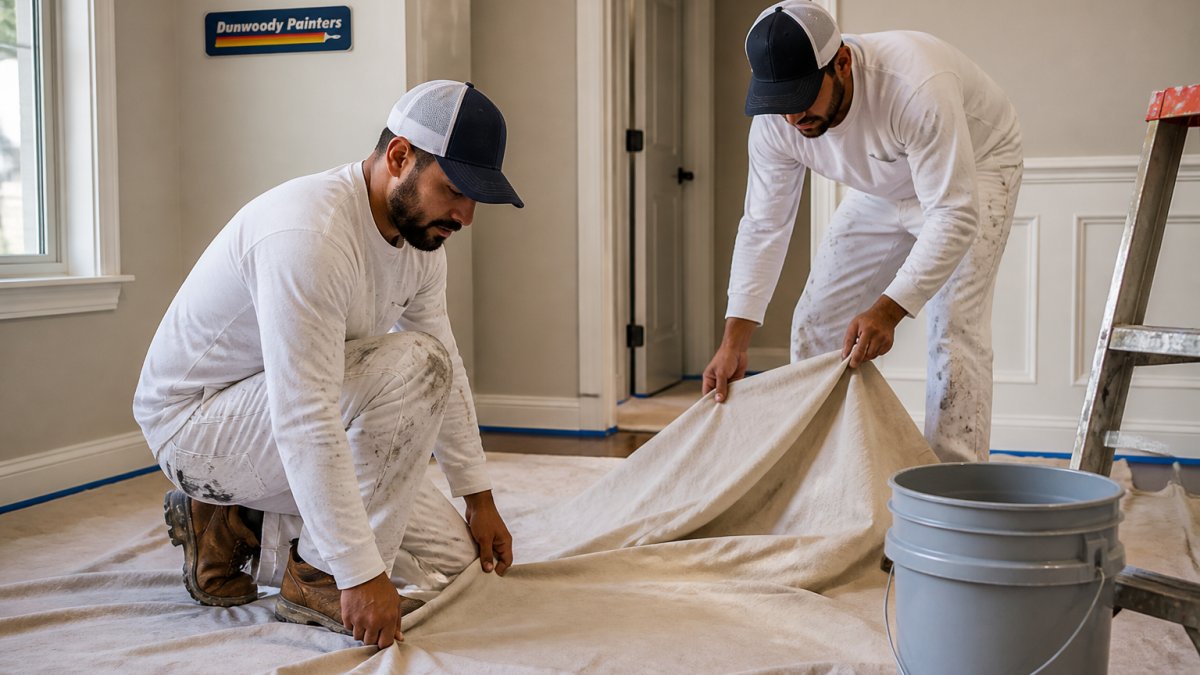
Both offer interior and exterior residential painting, but their operational approaches, warranty structures, and project management differ in ways that matter.
| Feature | All Seasons Painting | Terminus Painting | Key Difference |
|---|---|---|---|
| Service Types | Interior, Exterior | Interior, Exterior | Both offer core services |
| Estimate Process | Phone-based quote | Contact for details | All Seasons lists direct phone line |
| Service Area | Metro Atlanta region | Metro Atlanta region | Both serve the broader area |
| Warranty Information | Not specified in available materials | Not specified in available materials | Neither clearly publishes warranty terms |
| Availability | 8 AM to 8 PM hours listed | Standard business hours assumed | All Seasons publishes operating hours |
The real differences emerge when you dig into estimate procedures, project timelines, and what happens if something goes wrong after the work is complete.
Service Offerings and Coverage Areas
All Seasons Painting advertises interior and exterior residential painting across Metro Atlanta. Their phone line, (678) 820-6608, is available 8:00 AM to 8:00 PM for quick answers about availability.
Terminus Painting similarly positions itself as a full-service interior and exterior contractor serving the broader Atlanta area, though specific neighborhood coverage should be confirmed on contact.
The practical question is whether either company handles your project type. Cabinet painting, commercial work, popcorn ceiling removal, or specialized surface repairs may fall outside standard residential offerings.
Understanding Your Painting Estimate Checklist
A solid estimate reveals how thoroughly a contractor assessed your project and what detail to expect during execution. When comparing All Seasons Painting and Terminus Painting estimates, look for these elements.
What a complete estimate should include:
- Square footage of surfaces to be painted
- Number of coats required
- Surface preparation details (sanding, patching, caulking)
- Paint type and quality level being used
- Labor cost breakdown separate from materials
- Timeline and project duration
- Cleanup and protection measures
- Payment terms and schedule
All Seasons Painting, reachable by phone during published hours, can walk you through their estimate process.
Ask both companies the same questions for an apples-to-apples comparison: How long do they take on a job your size? Do they work in stages or one continuous push? What happens if weather delays the timeline?
Painting Contractor Warranty: What Each Company Covers
Warranty terms quietly separate painting contractors, and they're the hardest thing to compare because almost nobody publishes them. Neither All Seasons Painting nor Terminus Painting surfaces a written warranty publicly, so extract the terms yourself during the estimate conversation and put them side by side in writing.
The three warranties hiding inside one "warranty"
Most homeowners hear "warranty" and assume it covers everything. In practice it's usually three separate promises, blended to sound more generous than they are:
- Workmanship warranty, covers application defects: peeling, blistering, cracking, poor adhesion, lap marks, and premature failure caused by how the coating was applied. This is the one that matters most, because it is the one the contractor controls.
- Manufacturer product warranty, covers the paint itself failing within spec (for example, a top-tier exterior acrylic chalk or fade claim). This is backed by the coating maker, not the painter, and it usually requires the painter to have applied the product per the manufacturer's written specification.
- Labor-and-materials warranty, the strongest version, where the contractor covers both the product and the labor to redo the failed area. Ask specifically whether redo labor is included or whether you pay for labor while they supply paint.
A verbal "we stand behind our work" is not a warranty. Ask for the document.
Questions that force a real answer
Generic questions get generic answers. These produce usable information:
- What is the exact duration of the workmanship warranty, in months, and does it start at substantial completion or at final payment?
- Is the warranty prorated, or is it full coverage for the entire term?
- Does it cover the full substrate, or only the specific area that failed?
- What voids it? Common exclusions include pressure washing within the first 30 days, homeowner-applied touch-up with a different product, moisture intrusion from failed caulk or flashing, and normal chalking or fading.
- Who performs the repair, the same crew, a subcontractor, or a warranty administrator?
- What is the claim procedure and response window? A warranty with no stated response time is a warranty you may wait months to use.
- Is it transferable to a new owner if you sell, and for how long?
How to compare the two companies on warranty
Because neither All Seasons Painting nor Terminus Painting publishes terms, run the same script with both, identical questions, same order, answers written next to each name. Compare on four axes:
- Duration, in months, not adjectives.
- Scope, workmanship only, or workmanship plus product plus redo labor.
- Exclusions, how long is the list, and are the exclusions reasonable or a loophole?
- Claim mechanics, who you call, how fast they respond, and whether the remedy is repair or repaint.
A two-year workmanship warranty with a short exclusion list and a stated 10-business-day response window beats a "lifetime" warranty with a page of exclusions and no claim process. Enforceability matters more than the number.
What a fair baseline looks like
Most reputable residential painters here offer at least a one-year workmanship warranty, and stronger ones offer two to five years on exterior work where sun and rain stress the coating hardest.
At Dunwoody Painters, we put our terms in writing before the estimate is signed: a 2-year workmanship warranty, a stated claim window, and no payment until the work is complete. That is the standard we would hold any contractor to, including the two you are comparing here.
House Painting Cost in Georgia: Pricing and Value
Painting costs in Georgia depend on square footage, surface condition, paint quality, labor rates, and local competition. Neither All Seasons Painting nor Terminus Painting publishes pricing, which is typical for project-based service businesses.
When you request estimates, expect to provide details about your project. For exterior work, contractors need to know:
- Total square footage of walls, trim, and soffits
- Number of stories
- Condition of existing paint (does it need scraping?)
- Type of siding (vinyl, wood, stucco, brick)
- Any repairs needed before painting
For interior projects, the key variables are:
- Room count and total square footage
- Existing paint condition
- Ceiling height
- Trim and detail work required
- Color changes (darker colors may need extra coats)
The best way to understand pricing is written estimates from multiple contractors, which reveal market rates and who includes prep, repairs, and protection versus charging extras.
Be cautious of estimates far below the others, cheap painting often means rushed work, lower-quality materials, or skipped prep. The most expensive isn't automatically best either.
Licensing, Insurance, and Worker Protections
This is the section most comparison articles skip, and it determines whether an injury or lien lands on your homeowner's policy. Neither All Seasons Painting nor Terminus Painting publishes license or insurance details, so verify both with a short checklist before signing anything.
What to verify, and where
1. Business registration. Ask for the legal business name and confirm it's active with the state registration office.
2. Contractor licensing. Requirements vary by state and by job size and scope.
3. General liability insurance. Ask for a certificate of insurance (COI) showing current coverage, a common benchmark for residential work is at least $1 million per occurrence.
4. Workers' compensation. If the contractor has employees, workers' comp pays if a crew member is injured on your property, without it, that injury becomes your problem.
**5.
The lien question nobody asks
In most states, contractors, subs, and material suppliers can file a mechanic's lien against your property if unpaid, even if you already paid the general contractor. It's the most expensive surprise in residential construction.
Protect yourself two ways:
- Ask each contractor how they handle subcontractor and supplier payment, and whether they will provide lien waivers as work progresses and at final payment.
- Before final payment, request a signed final lien waiver from the contractor and, where subs or suppliers were used, from them as well. A reputable contractor will provide these without argument.
Running the same check on both companies
Run the same script with All Seasons Painting and Terminus Painting so the comparison is fair:
- Request the legal entity name, license number (if applicable), and COI in writing.
- Verify the license with the issuing authority and the COI with the insurer.
- Ask whether crews are in-house employees or subcontractors, and get proof of coverage for whichever it is.
- Ask about lien waivers and the payment schedule.
- Ask whether background checks are run on crew members who will be in your home.
A contractor who answers all five without hesitation signals the paperwork is in order. One who deflects tells you where the risk sits, with you.
At Dunwoody Painters, we run background-checked in-house crews, carry general liability and workers' compensation coverage, and provide documentation on request before a contract is signed. That is the baseline we would want any homeowner to demand, from us, from All Seasons Painting, and from Terminus Painting alike.
Which Painting Company Should You Choose?
All Seasons Painting and Terminus Painting both serve Metro Atlanta with standard interior and exterior painting. The decision hinges on factors neither fully addresses publicly.
Choose Terminus Painting if: You're comfortable with standard contractor communication channels and want to compare their estimate process against other local options.
Consider Dunwoody Painters if: You want a contractor who leads with transparency.
The real comparison isn't just All Seasons Painting vs Terminus Painting, it's between these contractors and every other option.
The cheapest estimate often becomes the most expensive once you factor in rework, delays, or premature paint failure.
Frequently Asked Questions
What should a painting estimate checklist include?
A detailed painting estimate should list surface preparation (patching, sanding, priming), square footage or linear feet being painted, number of coats, paint type and quality, trim and detail work, timeline, labor costs, materials, warranty terms, and payment schedule. Request line-by-line breakdowns so you understand exactly what you're paying for. Reputable contractors provide written estimates that specify which surfaces receive primer, how trim will be handled, and whether repairs (caulking, wood replacement) are included or quoted separately.
What does a painting contractor warranty typically cover?
Painting contractor warranties vary widely. Most cover workmanship defects like peeling, cracking, or uneven coverage for 1-2 years. Some exclude damage from settling, extreme weather, or owner negligence. Always ask whether the warranty covers both labor and materials, whether it applies if you repaint over their work, and what the claim process looks like. Request the warranty in writing and confirm the contractor will return to address covered issues at no additional cost.
How much does house painting cost in Georgia?
House painting costs in Georgia depend on square footage, number of stories, surface condition, paint quality, and whether interior or exterior work is involved. Pricing depends on various factors, but these are general estimates. Labor, materials, and local market rates all affect final pricing. Request detailed written estimates from multiple contractors so you can compare line-by-line costs and understand what drives price differences.
How do I verify a painting contractor is licensed and insured?
Ask the contractor for their license number and insurance certificate before work begins. Verify the license through your state's licensing board or the Secretary of State website. Contact their insurance provider to confirm coverage is active and includes general liability and workers' compensation. Request proof of background checks if the company advertises them. Legitimate contractors provide this information readily and in writing; hesitation is a red flag.
When you're ready to move forward with confidence, we invite you to request a free estimate from Dunwoody Painters. We'll walk you through our detailed estimate process, answer all your questions about timelines and warranty coverage, and show you exactly how our background-checked crews and premium materials deliver the finish your home deserves. Get started with Dunwoody Painters today and experience the difference that transparency and accountability make.