 how-to
Hiring Professional Painters in Alpharetta: A Complete Guide
Table of Contents
- Why Hiring Professional Painters Matters for Your Home
- Questions to Ask a Painting Contractor Before You Hire
- How to Evaluate House Painting Estimates in Alpharetta
- Understanding Cost to Paint a House in Alpharetta
- Your Painting Contractor Checklist: Before You Sign
- Managing Your Painting Project: What to Expect
- Common Mistakes When Hiring Painters, and How to Avoid Them
- Frequently Asked Questions
Last Updated: October 18, 2026
Why Hiring Professional Painters Matters for Your Home
Hiring professional painters in Alpharetta is one of the most impactful decisions you'll make when refreshing your home or business. The difference between a DIY attempt and professional work shows immediately, and it compounds over time.
The real cost of poor painting isn't just money, it's the frustration of watching your investment deteriorate.
Professional painters bring three things you can't replicate alone: proper surface preparation, quality materials, and workmanship standards that actually hold. Surface prep alone determines whether paint adheres properly or fails. Most homeowners skip this entirely. We don't. That's the difference between a finish that lasts and one that fails prematurely.
Questions to Ask a Painting Contractor Before You Hire
Before you commit to any painting contractor, ask direct questions about credentials, experience, and project management. These questions separate professionals from part-timers operating from a truck.
Licensing, Insurance, and Background Checks
Ask your contractor: "Are you licensed and insured?" Listen for specifics. A licensed contractor carries general liability insurance and workers' compensation coverage. This protects you if someone is injured on your property or if damage occurs to your home.
Background checks matter more than most homeowners realize. If a contractor is working inside your home, you want verification that they're trustworthy. Ask how their background check process works. Dunwoody Painters background-checks all crew members, we can show you the process.
Request proof of licensing. Ask for the license number and verify it independently with your state's licensing board. This takes five minutes and protects you from unlicensed operators.
Experience, References, and Project Examples
Ask: "How long have you been painting professionally?" and "Can you show me examples of residential projects similar to mine?" Experience matters, but so does relevance.
Request references from recent projects, ideally from the last 12 months. Call at least two. Ask specific questions: Did the crew show up on time? Was the work area kept clean? Were there surprises or extra charges? Did the finish hold up well?
Ask to see photos of completed projects. Look for crisp paint lines, even coverage, and attention to detail around trim and edges. Poor photo quality often indicates poor workmanship.
Timeline, Warranty, and Payment Terms
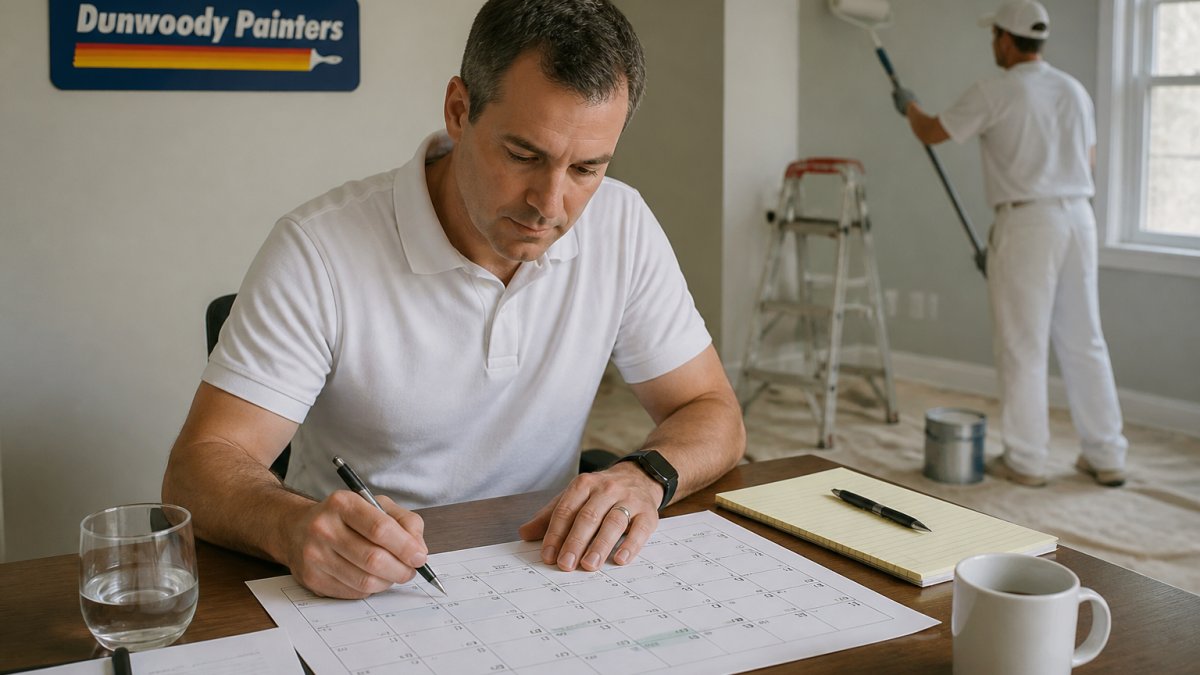
Ask: "How long will this project take?" and "What's included in your warranty?" A contractor who gives vague timelines is signaling they don't manage projects carefully. Professionals provide realistic schedules and stick to them.
Warranty terms reveal how confident a contractor is in their work. Dunwoody Painters offers a written 2-year workmanship warranty, that's our commitment to durability. Ask what the warranty covers specifically. Does it include paint failure, adhesion problems, or just obvious defects?
Ask about payment terms. Avoid contractors who demand full payment upfront. A typical structure is 50% down to purchase materials, 50% on completion.
How to Evaluate House Painting Estimates in Alpharetta
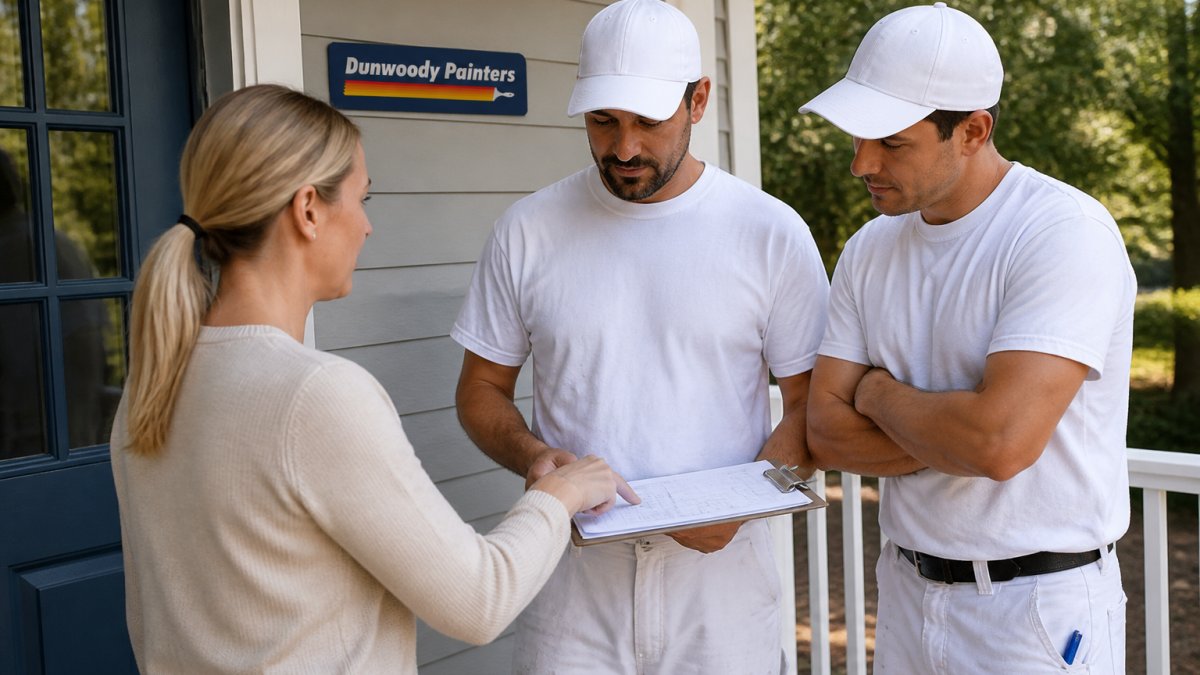
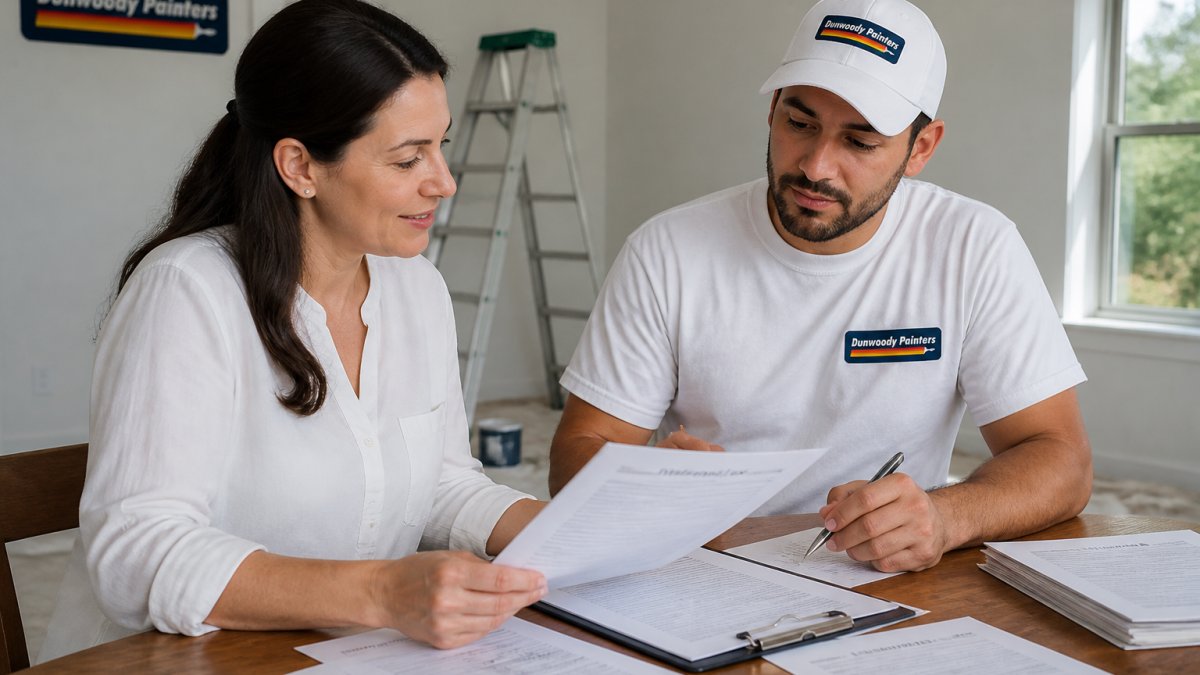
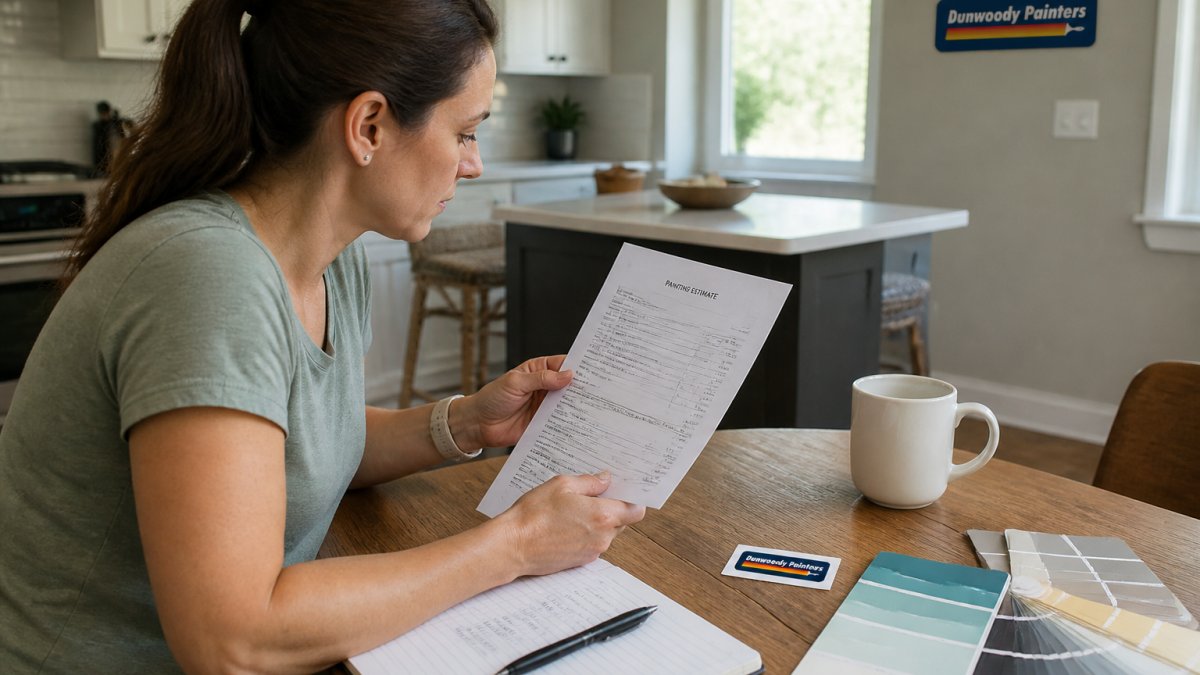
A detailed written estimate is your roadmap. It protects both you and the contractor by setting clear expectations. Most homeowners don't know what to look for in an estimate, so they pick the lowest price. That's a mistake.
What a Detailed Estimate Should Include
A professional estimate for hiring professional painters should break down labor, materials, and scope clearly. Line-by-line estimates show the contractor's transparency and attention to detail.
The estimate should specify:
- Square footage of surfaces to be painted
- Number of coats required
- Paint brand and type (interior latex, exterior acrylic, specialty finishes)
- Prep work included (caulking, patching, sanding, primer)
- Surface areas excluded from the scope
- Timeline and start/completion dates
- Payment schedule
- Warranty terms
If an estimate is vague, just "interior painting: $3,000", ask for more detail. A contractor who won't break down the estimate is either disorganized or hiding something.
Ask whether the estimate includes primer. Primer is essential for color changes, stained wood, or new drywall. Estimates that omit primer are incomplete.
Spotting Red Flags in Contractor Estimates
Red flags appear when estimates are vague, unusually low, or missing critical information. If one estimate is dramatically lower than others, ask why. Sometimes it's because the contractor is cutting corners, fewer coats, cheaper paint, minimal prep work.
Watch for estimates that don't address prep work. Proper surface preparation takes time and materials. If an estimate ignores it, the contractor is planning to skip it. That leads to paint failure.
Be cautious of contractors who pressure you to decide quickly or who won't provide a written estimate. Professional contractors expect you to compare options and take time to decide.
Understanding Cost to Paint a House in Alpharetta
Painting costs vary based on project scope, surface condition, and material quality. Understanding the main cost drivers helps you evaluate estimates and avoid surprises.
Factors That Drive Painting Project Costs
Several variables affect the total cost of hiring professional painters. Square footage is the obvious one, larger homes cost more. But surface condition matters equally.
Paint quality affects cost significantly. Premium paints adhere better, cover more evenly, and last longer than budget options. They cost more upfront but save money over time because repainting happens less frequently.
Labor intensity varies by project type. Detailed trim work, multiple color changes, and high ceilings increase labor costs.
Accessibility affects pricing too. If crews need scaffolding, lifts, or special equipment to reach surfaces safely, costs rise. A two-story exterior costs more than a single-story home with the same square footage.
Interior vs. Exterior Painting: Cost Considerations
Interior and exterior painting have different cost structures. Exterior painting typically costs more per square foot because of weather considerations, surface preparation demands, and safety equipment needs.
Exterior surfaces endure UV exposure, moisture, and temperature swings. They require more durable paint and often need extensive prep work, power washing, scraping, caulking, and priming. Interior surfaces are more stable and forgiving.
Interior projects may involve furniture moving, floor protection, and working around occupied spaces. Exterior work is often more straightforward logistically but physically more demanding.
When comparing estimates for interior versus exterior work, factor in paint type, prep requirements, and timeline.
Your Painting Contractor Checklist: Before You Sign
Before signing a contract with a painting contractor, verify credentials and review terms carefully.
Verify Credentials and Coverage
Check that the contractor is licensed in your state. Verify the license number with your state's licensing board, most have online databases.
Confirm the contractor services your area regularly. Ask about local project history. A contractor based nearby with recent local work is more reliable than one driving long distances to unfamiliar areas.
Check online reviews on Google, Yelp, and the Better Business Bureau. Look for patterns in feedback, not isolated complaints, but consistent themes.
Review the Contract and Set Expectations
The contract should include everything discussed in estimates and conversations. It should specify start and completion dates, payment terms, scope of work, and warranty terms.
Clarify what happens if the project takes longer than planned. Does the timeline extend due to weather or unexpected damage? How is that communicated and managed?
Confirm the warranty in writing. A 2-year workmanship warranty is strong protection. Understand what it covers, paint failure, adhesion problems, color consistency, and what it doesn't cover.
Agree on communication. How will you stay informed about progress? How quickly will the contractor respond to questions or concerns? Clear communication prevents misunderstandings.
Managing Your Painting Project: What to Expect
Once work begins, understanding the process helps you manage expectations and spot issues early.
Surface Preparation and Paint Products
Preparation determines whether paint adheres properly and lasts. Professional prep includes cleaning surfaces, scraping loose paint, filling holes and cracks, sanding rough areas, and priming where needed. This phase takes significant time, sometimes as long as the actual painting.
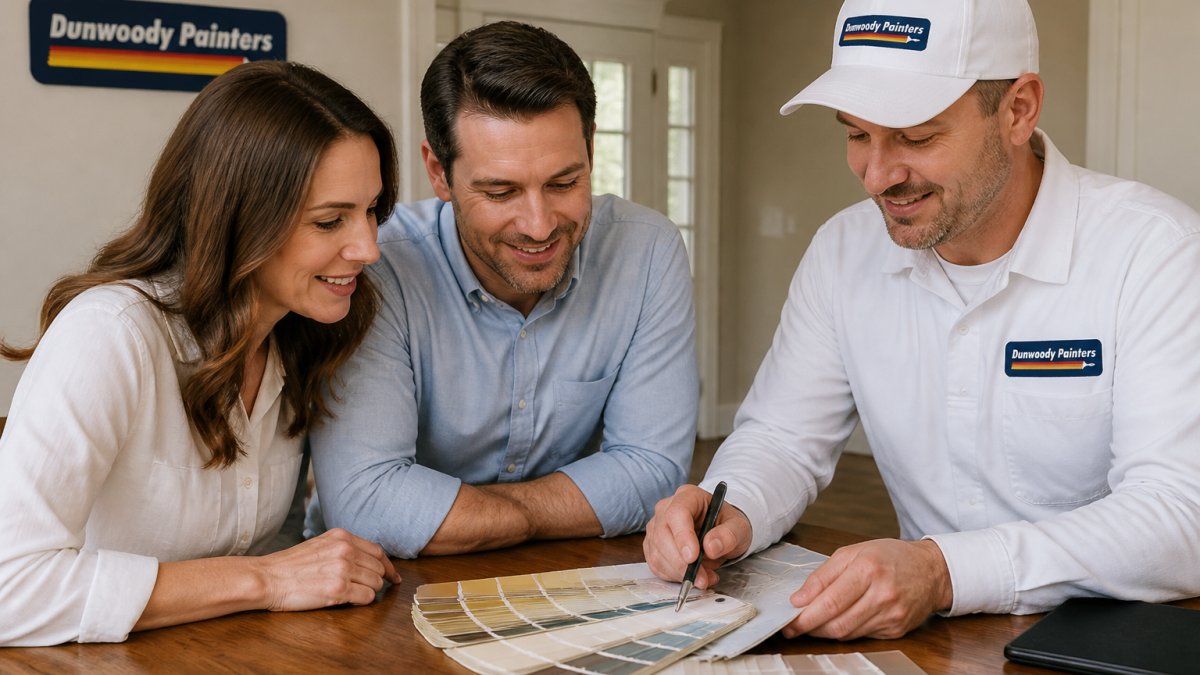
Ask what paint products the contractor uses. Quality matters. Premium paints offer better durability and color consistency than budget brands. The contractor should explain why they recommend specific products for your project.
Expect the work area to be protected. Furniture should be moved or covered. Floors should be protected with drop cloths. Windows and trim should be masked.
Workmanship Standards and Quality Assurance
Professional workmanship means crisp paint lines, even coverage, no drips or splatters, and attention to detail. Paint lines should be clean where different colors meet.
Trim work requires precision. Paint should follow the edge cleanly without bleeding onto adjacent surfaces. Baseboards, crown molding, and door frames should look sharp and finished.
Ask the contractor how they quality-check work. Do they inspect each room as it's completed? Do they address touch-ups before leaving? Professionals catch and correct issues before the job is done.
Request a walk-through when work is complete. Check paint coverage, trim lines, and overall finish. Point out any issues before final payment.
Common Mistakes When Hiring Painters, and How to Avoid Them
Most homeowners make predictable mistakes when hiring professional painters. Awareness prevents costly problems.
The biggest mistake is choosing based on price alone.
Another common error is not getting everything in writing. Verbal agreements about timeline, price, or scope lead to disputes.
Homeowners often fail to verify credentials. They assume a contractor is licensed and insured without checking.
Not asking for references is another mistake. References from recent projects reveal whether the contractor delivers on promises.
Many homeowners don't clarify the warranty.
Finally, homeowners often ignore communication issues during the project.
Hiring the right professional painter transforms your home while protecting your investment.
Frequently Asked Questions
What should I ask a painting contractor before hiring them?
Ask about licensing and insurance, how many years they've worked on residential painting projects, whether they provide references from recent customers, what warranty they offer, their timeline and scheduling process, and how they handle payment. Request a detailed written estimate that breaks down labor, materials, surface preparation, and any additional costs. Ask about their background-check process for crew members and whether they use premium paint products. These questions help you assess their professionalism and reliability.
How do I compare painting estimates from different contractors?
Request written estimates from at least two or three painting contractors and compare the scope of work, materials specified, labor costs, timeline, and warranty terms. Look for line-by-line breakdowns that detail surface preparation, primer, paint type, and trim work. Be cautious of estimates that are significantly lower than others, this may indicate inferior materials or rushed workmanship. Verify that all estimates cover the same scope. Ask each contractor to explain their pricing and what's included, and check whether they offer a satisfaction guarantee or workmanship warranty.
How can I verify a painting contractor is insured and licensed?
Ask the contractor for proof of general liability insurance and workers' compensation coverage. Request their license number and verify it through your state's licensing board or contractor registration database. Ask for references from recent residential painting projects and follow up by calling those customers. Confirm that the company carries adequate coverage to protect your home if an accident occurs during the project. A reputable contractor will be transparent about their credentials and happy to provide proof of insurance and licensing.
What factors affect the cost to paint a house?
Painting costs depend on the size of your home, number of rooms or exterior square footage, condition of existing surfaces, type of paint and primer used, complexity of the project (trim work, faux painting, or specialty finishes), local labor rates, and how much surface preparation is needed. Interior painting typically costs less than exterior work. Cabinet painting projects vary based on the number and condition of cabinets. For an accurate estimate specific to your home and location, contact a local painting contractor for a free quote that reflects your specific project scope.