 blog
blog
Paint vs Replace Kitchen Cabinets: 2026 Cost & Durability Guide
Table of Contents
- Paint vs Replace Kitchen Cabinets: The Core Decision
- When Painting Kitchen Cabinets Makes Sense
- When Replacing Kitchen Cabinets Is the Better Choice
- Cost to Paint Kitchen Cabinets vs Cost to Replace Kitchen Cabinets
- How Long Do Painted Kitchen Cabinets Last
- Kitchen Cabinet Refacing vs Painting: A Third Option
- Cabinet Condition and Structural Integrity: The Real Decision Maker
- Project Timeline and Kitchen Disruption
- Frequently Asked Questions
Last Updated: October 7, 2026
Paint vs Replace Kitchen Cabinets: The Core Decision
When considering paint vs replace kitchen cabinets, you're facing one of the most common renovation questions homeowners encounter. The choice shapes your budget, timeline, and kitchen's appearance for years to come. At Dunwoody Painters, we help homeowners in the metro Atlanta area evaluate this decision based on their specific situation, cabinet condition, and long-term goals.
The short answer: paint your cabinets if they're structurally sound and your kitchen layout works. Replace them if the boxes are damaged, your layout no longer fits your lifestyle, or you want a complete redesign. But this decision deserves more nuance than a simple rule.
The real difference between painting and replacing comes down to three factors: cabinet condition, your actual needs, and how much disruption you can tolerate. A cabinet that looks tired but functions well is a candidate for painting. A cabinet with water damage, loose hinges, or drawer boxes that won't close properly needs replacement. Understanding these distinctions upfront saves money and prevents costly mistakes down the road.
When Painting Kitchen Cabinets Makes Sense
Painting existing cabinets works best when the underlying structure is solid. If your cabinet boxes are straight, doors close properly, and hinges hold firm, painting delivers a dramatic transformation at a fraction of replacement cost.
Painting is the right choice when your kitchen layout already serves your needs. If your storage, counter space, and workflow feel functional, refreshing the appearance through paint makes sense. A fresh coat changes how the entire room feels without forcing you to rebuild your kitchen from scratch.
The timeline advantage matters too. Painting typically takes one to two weeks, depending on kitchen size and prep work required. You can cook in your kitchen during most of the project. Replacement demands weeks of disruption, with your kitchen essentially unusable for days at a time.
Paint also works well when your budget is limited but your style preferences have shifted. Cabinet color dramatically influences kitchen aesthetics. Moving from dark wood to crisp white, soft gray, or bold color transforms the space without structural changes.
When Replacing Kitchen Cabinets Is the Better Choice
Replacement becomes necessary when cabinets show structural failure. Water damage, warping, or rot in the cabinet boxes means the structure itself is compromised. Paint won't address these issues, it only masks them temporarily. Once wood begins to fail, the problem accelerates.
Replace cabinets when your kitchen layout no longer fits how you actually live. If you've outgrown your storage, your workflow feels inefficient, or your family's needs have changed, replacement lets you redesign the entire layout.
Replacement also makes sense when you're planning a larger kitchen renovation. If you're updating countertops, flooring, appliances, and backsplash simultaneously, replacing cabinets ensures everything coordinates. Mixing new counters with painted old cabinets often looks disjointed.
Consider replacement if you plan to stay in your home for 10+ years. New cabinets last 15-20 years with normal use. Painted cabinets typically last 7-10 years before requiring touch-ups or repainting. For long-term homeowners, replacement spreads the cost over a longer period and provides better value per year.
Cost to Paint Kitchen Cabinets vs Cost to Replace Kitchen Cabinets
Painting: Materials, Labor, and Timeline Costs
Cabinet painting involves several cost components: surface preparation, primer, paint, hardware updates, and labor. Preparation is the most time-intensive step, cleaning, sanding, and filling gaps properly determines the final finish quality.
Material costs depend on cabinet size and paint quality. Premium cabinet paints designed for durability cost more upfront but hold up better to kitchen moisture and daily wear. Budget-grade paints may require repainting sooner.
Labor represents the largest expense for most homeowners. Professional painters charge based on kitchen size, current cabinet condition, and desired finish. A typical kitchen cabinet painting project requires 40-80 hours of labor spread across surface prep, priming, and multiple paint coats.
The timeline cost matters too. Most painting projects take 1-2 weeks with minimal kitchen disruption. You can use your kitchen for basic meals during the work.
Replacement: Materials, Installation, and Demolition Costs
Cabinet replacement involves demolition, disposal, new cabinet purchase, installation, and finishing work like countertop integration and hardware installation.
New cabinet costs vary dramatically by material and quality. Stock cabinets cost less than semi-custom or fully custom options. Installation labor typically runs 40-100+ hours depending on kitchen complexity and whether plumbing or electrical work is needed.
Demolition and disposal add to the total. Removing old cabinets, disposing of materials, and preparing walls for new installation takes time and creates significant mess. Many homeowners underestimate the disruption, your kitchen is essentially offline for 2-4 weeks.
Additional costs often emerge during replacement. Hidden water damage, uneven walls, or electrical work behind cabinets can increase the project scope. Countertop modifications, backsplash updates, and appliance repositioning add costs that painting avoids entirely.
How Long Do Painted Kitchen Cabinets Last
Durability by Paint Finish Type
Cabinet paint durability depends heavily on finish type. Latex-based paints are easier to apply and clean up but typically last 5-7 years in kitchen environments. Moisture and heat stress the finish over time.
Acrylic latex paints perform better, lasting 7-10 years with proper maintenance. They resist moisture better than basic latex and hold color well.
Oil-based paints deliver the most durable finish, lasting 10-15 years in most kitchens. They resist moisture and wear exceptionally well. The tradeoff is longer drying time, stronger odor during application, and more complex cleanup.
Cabinet-specific paints formulated for high-traffic areas outperform general-purpose paints. These products include additives that improve moisture resistance and durability. They cost more but deliver better longevity.
Maintenance and Touch-Ups Over Time
Painted cabinets require regular maintenance to maximize lifespan. Wipe spills promptly, standing moisture is the primary enemy of painted finishes. Clean cabinets regularly with mild soap and water, avoiding harsh chemicals that degrade paint.
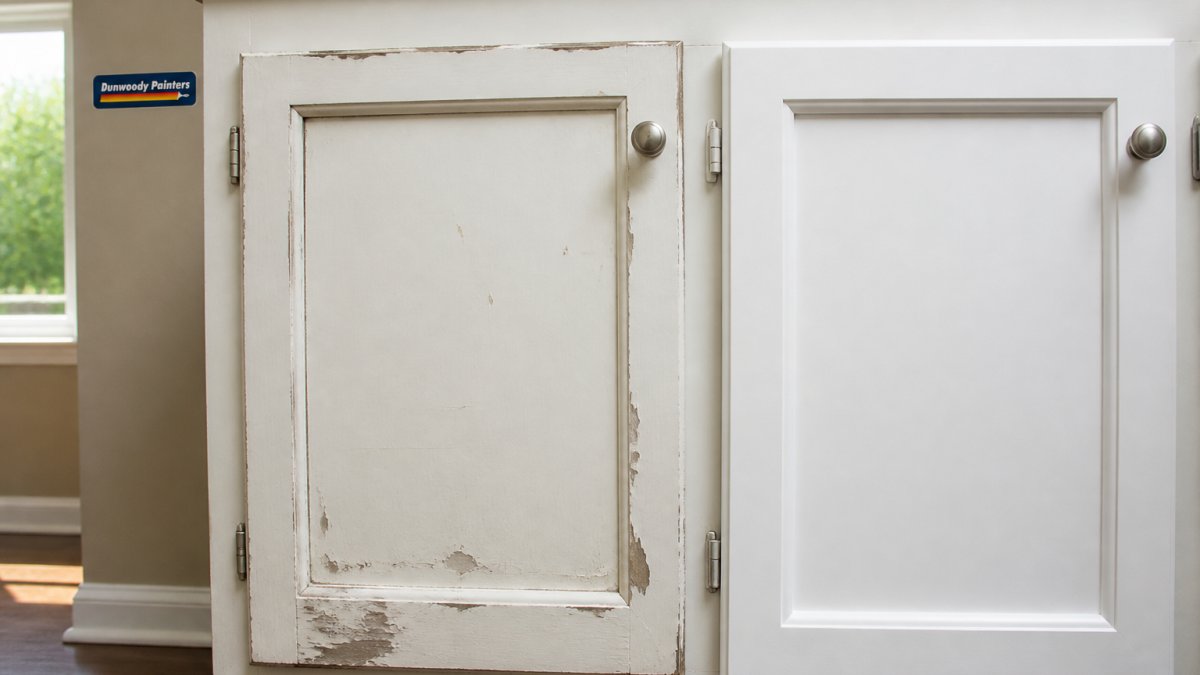
Touch-ups become necessary as wear appears. Small chips, scratches, or peeling spots respond well to targeted paint application. Catching these early prevents larger damage. Most painted cabinets need minor touch-ups every 2-3 years.
Deep cleaning and light sanding annually extends finish life. This removes buildup and prepares the surface for minor touch-ups. Many homeowners skip this step, which accelerates deterioration.
Heavy use accelerates wear. Kitchens with young children, frequent cooking, or high traffic show wear faster than lightly used kitchens. Plan for more frequent maintenance in high-stress environments.
Kitchen Cabinet Refacing vs Painting: A Third Option
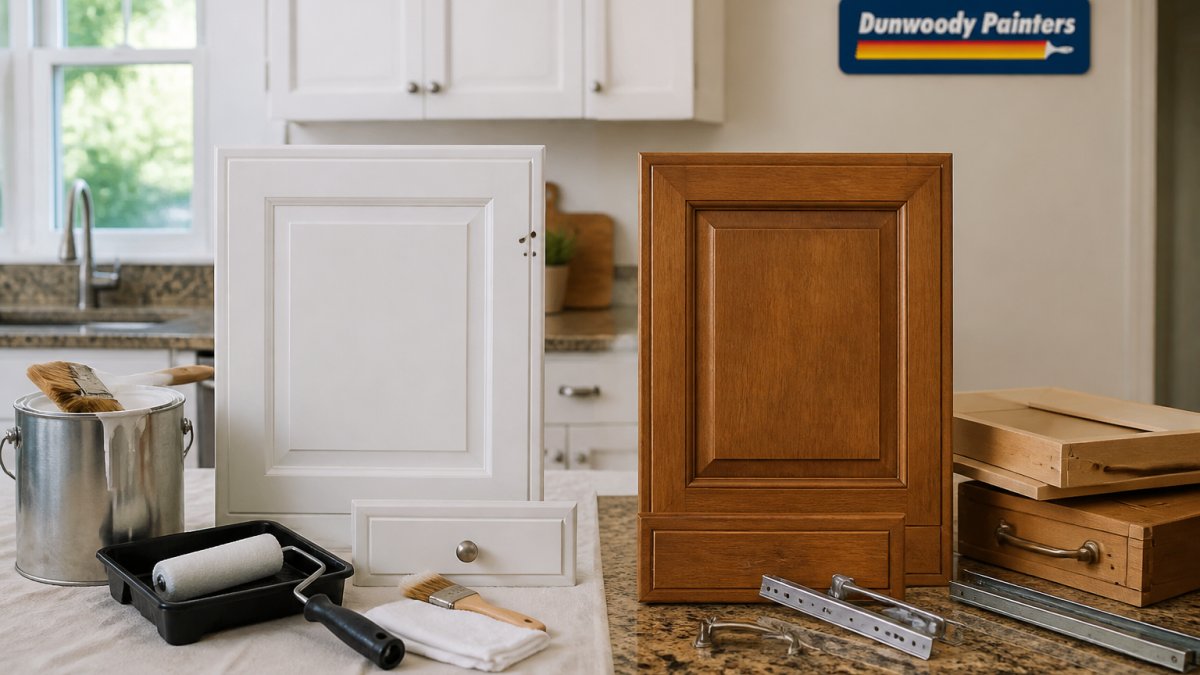
Cabinet refacing offers a middle ground between painting and full replacement. Refacing involves replacing cabinet doors and drawer fronts while keeping the existing cabinet boxes.
Refacing costs less than replacement but more than painting. You get new doors with your choice of material, finish, and style while retaining the existing structure. This works when cabinet boxes are sound but doors are damaged or outdated.
The timeline for refacing falls between painting and replacement, typically 1-2 weeks. Your kitchen is less disrupted than with replacement but more than with painting.
Refacing makes sense when your cabinet boxes are structurally fine but doors show significant damage or style is completely outdated. If the underlying structure is the problem, refacing won't solve it. If the issue is appearance and door condition, refacing delivers results without full replacement cost.
Cabinet Condition and Structural Integrity: The Real Decision Maker
Assessing Solid Wood and Cabinet Box Integrity
Inspect your cabinet boxes carefully before deciding. Open doors and look inside. Check for water stains, soft spots, or visible damage to the wood structure. Run your hand along interior surfaces, soft or spongy areas indicate water damage or rot.
Check drawer operation. Drawers should slide smoothly without binding or excessive play. If drawers stick, bind, or hang unevenly, the cabinet box may be warped or damaged. This is often a sign that painting won't address the underlying problem.
Examine hinges and hardware. Loose hinges that won't tighten, stripped screw holes, or bent hardware suggest the cabinet structure is compromised. Quality hinges should hold doors firmly in position.
Look at door alignment. Doors should close evenly without gaps or binding. If doors won't close properly or gaps are uneven, the cabinet box itself may be out of square. This typically indicates structural problems.
Check the back panels and side panels for damage. Water intrusion often shows first in back panels that contact walls. Soft spots, discoloration, or visible damage means the cabinet structure is at risk.
Signs Your Cabinets Need Replacement, Not Paint
Several warning signs indicate replacement is necessary. Visible rot or soft wood in cabinet boxes means the structure is failing. Paint cannot repair structural damage, it only conceals it temporarily.
Water damage that's progressed beyond surface staining indicates ongoing problems. If cabinets near the sink or dishwasher show water stains inside the boxes, moisture is penetrating the structure. This damage accelerates and typically requires replacement.
Doors that won't close properly or drawers that don't operate smoothly often signal cabinet box problems. If adjustment doesn't solve the issue, the underlying structure may be warped or damaged.
Significant mold or mildew growth inside cabinets indicates moisture problems that painting won't address. Mold requires addressing the moisture source and often means structural replacement is necessary.
Multiple loose or stripped hinges that can't be tightened suggest the wood itself is compromised. If screw holes won't hold fasteners, the wood is too soft or damaged to support hardware properly.
Project Timeline and Kitchen Disruption
Painting requires 1-2 weeks for most kitchens, with the first week being the most disruptive. Surface preparation takes several days.
Priming and painting spans 3-5 days depending on the number of coats and drying time.
Final hardware installation and touch-ups take 1-2 days. By this point, your kitchen is largely functional again.
Replacement demands 3-4 weeks of disruption. Demolition takes 2-3 days. Your kitchen is completely unusable during this phase. Installation spans 1-2 weeks.
Plan replacement projects when you can manage without a functional kitchen. Many families arrange temporary cooking solutions or eat out frequently during replacement projects.
Painting allows you to maintain basic kitchen function throughout the project. Replacement essentially shuts down your kitchen for weeks.
| Decision Factor | Painting | Replacement |
|---|---|---|
| Best for | Sound cabinets, layout works | Damaged boxes, layout redesign |
| Timeline | 1-2 weeks | 3-4 weeks |
| Kitchen disruption | Minimal | Extensive |
| Cost | Lower | Higher |
| Longevity | 7-10 years | 15-20 years |
| Structural issues | Not addressed | Resolved |
| Layout changes | Not possible | Fully customizable |
The decision between painting and replacing kitchen cabinets ultimately depends on cabinet condition and whether your kitchen layout serves your needs.
At Dunwoody Painters, we've helped hundreds of homeowners navigate this decision. We back our cabinet painting work with a written 2-year workmanship warranty, so you can feel confident in your choice.
Frequently Asked Questions
Is it cheaper to paint kitchen cabinets or replace them?
Painting is significantly less expensive upfront. Painting costs depend on cabinet size, surface condition, and finish type, while replacement involves new materials, installation labor, and demolition. For homeowners on a budget, painting delivers a dramatic transformation at a fraction of replacement cost. However, if cabinets are structurally damaged or your kitchen layout no longer works, replacement may be the better long-term investment despite higher initial cost.
How long do painted kitchen cabinets last with regular use?
Well-executed painted cabinets typically last 5-7 years before showing visible wear in high-traffic kitchens, or 7-10 years in moderate-use kitchens. Durability depends on the quality of the paint finish, surface preparation, and maintenance. Professional-grade paint and proper primer application extend lifespan significantly. Regular cleaning and prompt touch-ups prevent minor wear from becoming major refinishing jobs.
What's the difference between cabinet refacing and painting?
Refacing replaces cabinet doors and drawer fronts while keeping existing boxes, adding veneered surfaces and new hardware. Painting applies a new finish to existing doors and boxes. Refacing costs more than painting but less than full replacement, and it offers more design flexibility. Painting works best for structurally sound cabinets where the existing style suits your taste; refacing suits kitchens where you want a completely different look without full replacement.
Can you paint kitchen cabinets that are already damaged or peeling?
Yes, but only if the underlying wood or cabinet box is structurally sound. Peeling or chipped paint requires thorough sanding and surface preparation before repainting. If cabinets show water damage, soft spots, or severe warping, painting won't solve the underlying problem and the new finish will fail. Have a professional assess cabinet condition first; if structural damage exists, replacement is the only lasting solution.