 ultimate-guide
What Does House Painting Warranty Cover
Table of Contents
- What a Painting Warranty Covers
- Paint Warranty vs Workmanship Warranty
- How Long Does a Painting Warranty Last
- Painting Warranty Exclusions and Limitations
- Painting Warranty Claim Process
- Common Paint Failures and What Warranties Cover
- How to Evaluate Warranty Language Before Hiring
- Frequently Asked Questions
Last Updated: October 17, 2026
What a Painting Warranty Covers
A painting warranty is a written guarantee from a contractor or paint manufacturer that covers specific defects in materials or workmanship for a defined period.
Most homeowners assume all painting warranties work the same way. They don't. A paint manufacturer's warranty protects against product failure, paint that loses adhesion, peels, or fades due to manufacturing defects. A contractor's workmanship warranty protects against application errors, improper surface prep, poor technique, or sloppy execution.
Coverage for Interior Painting
Interior painting warranties typically cover defects that occur under normal household use. This includes protection against peeling, blistering, cracking, and poor adhesion caused by improper application or inadequate surface preparation.
What interior warranties generally do NOT cover includes damage from water leaks, humidity spikes, or structural movement. If your roof leaks and water drips onto freshly painted walls, that's not a paint failure, that's a building problem.
Coverage for Exterior Painting
Exterior painting warranties face tougher conditions than interior work. Sun exposure, temperature swings, moisture, and wind all stress paint films.
The distinction matters. If your contractor painted over mildew without proper cleaning, and the paint fails within the warranty period, that's a covered defect. If your south-facing wall fades from intense sun exposure over three years, that's normal weathering, not a warranty claim.
Paint Warranty vs Workmanship Warranty
These two warranties protect different things and come from different sources. Confusing them is one of the most common mistakes homeowners make when evaluating contractor proposals.
Manufacturer Paint Warranties
A paint manufacturer's warranty protects the product itself. It guarantees that the paint will not fail due to manufacturing defects, poor pigment quality, binder breakdown, or other material flaws. Manufacturer warranties often range from 5 to 15 years, depending on the paint quality and type.
Manufacturer warranties have strict conditions. They typically require that the paint be applied by a professional, applied to a properly prepared surface, and maintained according to the manufacturer's specifications.
Contractor Workmanship Warranties
A contractor's workmanship warranty covers the labor and application quality. It protects against mistakes like inadequate surface preparation, improper paint application technique, missed edges, drips, sags, or poor color matching. Workmanship warranties are typically shorter than manufacturer warranties, ranging from 1 to 3 years.
A contractor workmanship warranty is only as good as the contractor's willingness to honor it. That's why it must be in writing. A verbal promise means nothing if the contractor goes out of business or refuses to return your calls.
How Long Does a Painting Warranty Last
The duration of a painting warranty depends on whether you're looking at a manufacturer's product warranty or a contractor's workmanship warranty. Most homeowners are surprised to learn that these timelines are very different.
Standard Warranty Terms
Contractor workmanship warranties typically last 1 to 3 years. A 2-year warranty is common in the industry and represents a reasonable balance between contractor risk and homeowner protection. During this period, the contractor agrees to return and repair defects caused by poor application or inadequate surface prep at no additional cost.
Manufacturer paint warranties are longer, often ranging from 5 to 15 years depending on paint quality. However, these warranties come with conditions. They require professional application, proper surface preparation, and ongoing maintenance.
Extended and Lifetime Warranties
Some premium paint brands offer extended warranties of 10 to 15 years or even "lifetime" warranties. These sound impressive but come with significant limitations.
Extended warranties are marketing tools as much as they are consumer protections. Before choosing a paint based on warranty length, read the fine print. A 15-year warranty that excludes weather exposure and requires perfect maintenance is less valuable than a 5-year warranty with reasonable terms.
Painting Warranty Exclusions and Limitations
Every painting warranty has a list of exclusions, situations where the warranty doesn't apply. Understanding these exclusions is critical before signing a contract or filing a claim.
Normal Wear and Tear
Paint doesn't last forever. Normal wear and tear, the gradual fading, chalking, and color shift that happens over time, is not a warranty defect. If your exterior paint fades after 5 years of sun exposure, that's expected aging, not a product failure or application error.
Interior paint also experiences normal wear. Scuffs, marks, and minor scratches from daily use are not warranty claims. If you drag furniture across freshly painted walls or your kids write on the paint with markers, the contractor isn't responsible for repainting.
Moisture, Water Damage, and Weather
Moisture is the enemy of paint adhesion. Most painting warranties exclude damage caused by water intrusion, high humidity, condensation, or weather exposure. If your bathroom paint peels because of excessive shower steam and poor ventilation, that's a maintenance issue, not a paint failure.
Weather-related exclusions are standard. Extreme temperature swings, freeze-thaw cycles, hail, and wind damage are typically not covered. These conditions stress paint films in ways that no coating can fully prevent.
Surface Preparation and Substrate Issues
Paint adheres only as well as the surface beneath it. If the substrate, drywall, wood, concrete, or metal, is damaged, unstable, or improperly prepared, the paint will fail regardless of quality.
A common scenario: a homeowner has their kitchen cabinets painted, but the painter doesn't sand them adequately. The paint peels within weeks. Is this a warranty claim? Yes, because the failure was caused by inadequate application, not the substrate.
Application Defects vs. Product Failure
This distinction determines whether a manufacturer or contractor is responsible. An application defect is a mistake in how the paint was applied, wrong technique, inadequate prep, contamination, or environmental conditions. A product failure is a defect in the paint itself.
A contractor's workmanship warranty covers application defects. A paint manufacturer's warranty covers product failures. If your paint peels because the surface wasn't primed, that's an application defect and the contractor's responsibility.
Painting Warranty Claim Process
Filing a warranty claim requires documentation, evidence, and clear communication. Understanding the process before a problem arises helps you protect your rights and makes the claim smoother.
Documentation and Inspection
Keep all documentation related to your painting project: the contract, the written warranty, receipts, photos of the work in progress, and photos of the finished job. When a defect appears, document it thoroughly with clear, dated photos showing the problem from multiple angles.
Most contractors will inspect the problem before agreeing to warranty work. They need to verify that the defect is actually covered by the warranty and not caused by external factors or poor maintenance.
Filing Your Claim
Contact the contractor or paint manufacturer in writing, email is best because it creates a record. Include photos, the warranty document, the original contract, and a clear description of the problem. Specify when the defect appeared and request a site inspection.
Response times vary. Some contractors respond within days; others take weeks. If you're dealing with a paint manufacturer's warranty, the process is typically slower because the manufacturer may require the contractor to handle the claim first.
Warranty Remedy Options
Once a claim is approved, the contractor or manufacturer offers a remedy. The most common remedy is repainting the affected area at no charge.
Understand what the remedy actually means. "Repainting" typically covers only the labor and paint for the affected area, not the cost of moving furniture, protecting other surfaces, or addressing underlying problems.
Common Paint Failures and What Warranties Cover
Not every paint problem is a warranty claim. Understanding what constitutes a covered defect versus normal aging or external damage is essential.
Peeling, Blistering, and Flaking
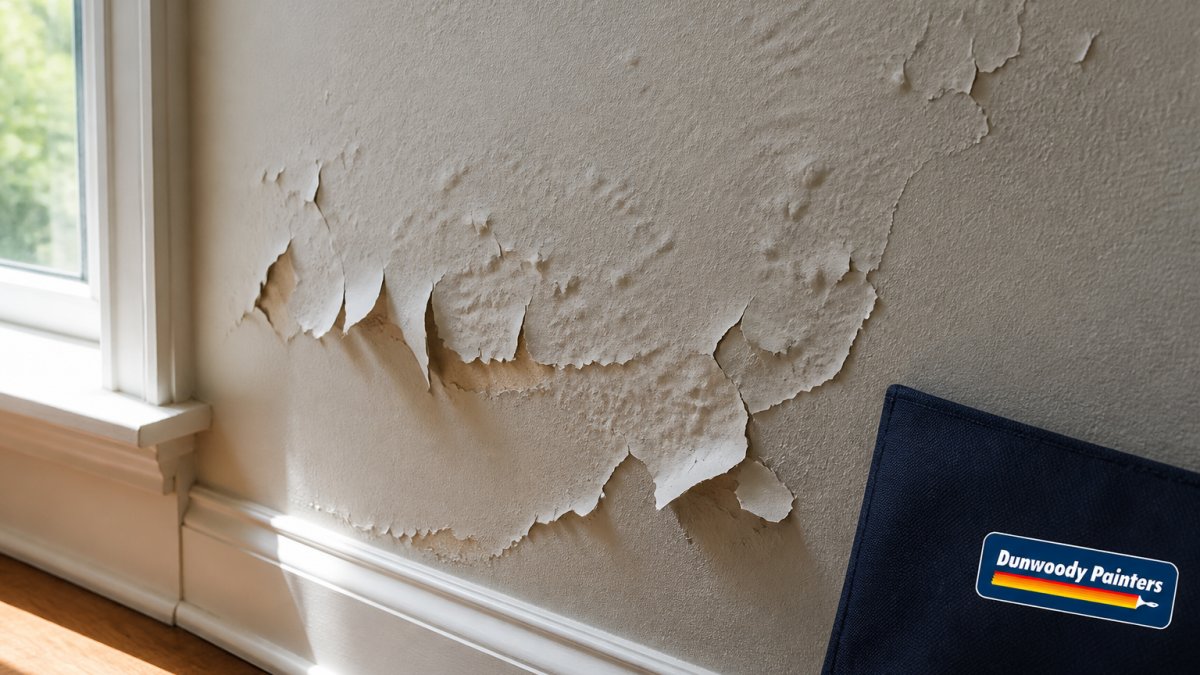
Peeling paint is the most visible warranty claim. Paint peels when it loses adhesion to the substrate.
Blistering occurs when moisture becomes trapped between the paint and the substrate, creating bubbles. This is usually an application defect, the painter applied paint over a damp surface or failed to properly prime.
Flaking is similar to peeling but involves smaller pieces of paint separating. Causes include poor adhesion, substrate deterioration, or weather exposure.
Cracking and Fading
Paint cracks for two main reasons: substrate movement and paint film stress. If your drywall cracks due to settling, the paint will crack too. If the paint film is too thick or applied in wrong conditions, it cracks.
Fading is the gradual loss of color over time due to UV exposure and weathering. This is normal wear and tear and is almost never covered by warranty. Even high-quality paint fades after several years of sun exposure. Fading is expected, not a defect.
How to Evaluate Warranty Language Before Hiring
Before you hire a painter, ask for the warranty in writing and read it carefully. Don't accept vague promises. A warranty is only as strong as its specific terms.
Compare warranty terms across contractors. A contractor offering a written 2-year warranty with clear coverage terms is more trustworthy than one offering a vague verbal promise or an extremely long warranty with pages of exclusions.
A painting warranty is only valuable if you understand what it covers and what it excludes.
Frequently Asked Questions
What is the difference between a paint warranty and a workmanship warranty?
A paint warranty covers defects in the paint product itself, such as premature fading or discoloration, and is provided by the manufacturer. A workmanship warranty covers the application and preparation work performed by the contractor, including issues like poor adhesion, uneven coverage, or improper surface prep. Both types protect different aspects of your painted surfaces, so understanding which applies to your specific problem is essential when filing a claim.
Does a painting warranty cover peeling or blistering paint?
Peeling and blistering paint may be covered depending on the cause. If the paint failed due to a manufacturing defect or poor application technique by the contractor, the warranty typically covers repair or repainting. However, if peeling results from moisture infiltration, inadequate surface preparation before painting, or substrate movement, the warranty exclusions likely apply. Your contractor will need to inspect the damage to determine whether it qualifies under your specific warranty terms.
How long does a painting warranty typically last?
Most contractor workmanship warranties last between one and three years, with two years being common. Paint manufacturer warranties often extend longer, sometimes five to ten years or more, depending on the product quality and type. Exterior paint warranties may be shorter than interior warranties due to weather exposure. Always request a written warranty document that specifies the exact duration, coverage terms, and exclusions before hiring a painter.
What documentation do I need to file a painting warranty claim?
To file a claim, gather photographs of the damage, your original contract and warranty document, proof of payment, and any maintenance records showing how you've cared for the painted surfaces. Document the date the problem appeared and describe the specific issue in detail. Contact your contractor promptly with this information; most warranties require notice within a set timeframe. The contractor may send an inspector to assess whether the damage qualifies under warranty before approving repair or repainting.
Does a painting warranty cover normal wear and tear or fading?
No, normal wear and tear and gradual fading are almost universally excluded from painting warranties. Fading occurs naturally over time due to sun exposure and is considered normal deterioration, not a defect. Most warranties specify that they cover manufacturing or application defects, not cosmetic changes from age or weather exposure. If you want protection against fading, discuss UV-resistant or premium paint options with your contractor before the project begins.
What does a painting warranty remedy actually provide?
Warranty remedies typically include repair or repainting of the affected area at no cost to you. The contractor may touch up small areas or repaint an entire wall or room, depending on the damage extent and warranty terms. Some warranties limit the remedy to materials only, requiring you to pay labor for repainting. Others cover both materials and labor. Always clarify what remedy your warranty offers before signing, so you understand what to expect if a covered problem occurs.
How does surface preparation affect painting warranty coverage?
Surface preparation is critical to warranty coverage. If paint failure results from inadequate prep work (such as failing to clean, sand, or prime properly), the contractor's workmanship warranty typically does not cover the damage. Many warranties explicitly state that coverage depends on proper surface preparation performed according to industry standards. This is why contractors should document pre-painting conditions and explain their prep methods; it protects both you and them by establishing what substrate condition the warranty assumes.